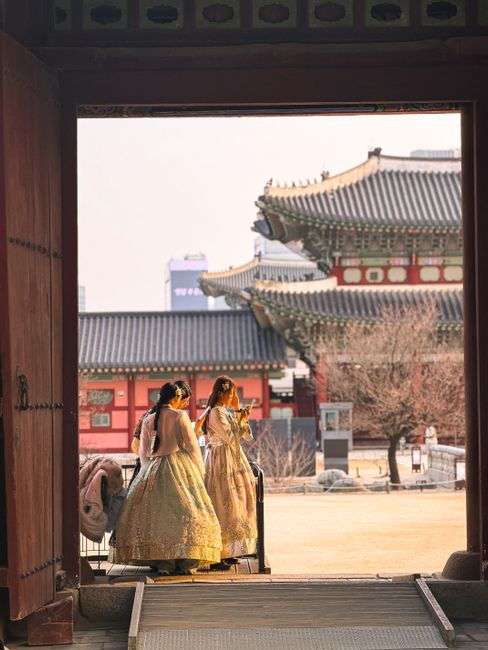
From ‘The East Palace’ to ‘Hope’: What makes K-creatures stand out
The neon glow of Seoul at night, always a spectacle, seems to hum with a different kind of energy lately, a vibrant pulse emanating from screens and earbuds across the city, hinting at a global phenomenon born right here. From ‘The East Palace’ to ‘Hope’, the captivating power of Korean creative output, these “K-creatures” are more than just entertainment; they are cultural ambassadors weaving intricate narratives that resonate worldwide.
As a foreign resident-editor observing life in this dynamic metropolis, I’ve witnessed firsthand the infectious enthusiasm that greets each new K-drama premiere or K-pop release. It’s a shared experience, a collective joy that transcends borders and languages, making the journey from ‘The East Palace’ to ‘Hope’ feel like a personal one for millions. This phenomenon, often referred to as the “Korean Wave” or Hallyu, has become a significant aspect of the global Culture landscape.
The Anatomy of a K-Creature’s Success
What is it about these K-creatures that captures imaginations so effectively? It’s a complex blend of meticulous storytelling, breathtaking visuals, and relatable human emotions, often exploring themes that resonate universally. Whether it’s the opulent historical dramas like ‘The East Palace’ or the uplifting narratives of modern-day struggles and triumphs, epitomized by titles like ‘Hope’, these creations tap into fundamental human desires for connection, belonging, and aspiration.
The sheer scale of this cultural export is staggering. According to data from the Seoul Metropolitan Government, the global market value of Korean content has seen a substantial increase, reaching an estimated 100 billion USD in recent years. This growth isn’t a fleeting trend; it represents a sustained and deliberate effort in creative production and international marketing. The success of K-creatures like ‘The East Palace’ and ‘Hope’ is a testament to this strategic approach.
Data Driving the Wave
To understand the momentum behind K-creatures, it’s helpful to look at some key figures. The Korean Economy has benefited immensely from this cultural export. Statistics Korea indicates that the cultural industry’s contribution to the national GDP has been steadily climbing, exceeding 5% in recent reporting periods. This economic impact is directly linked to the global popularity of content ranging from period dramas that evoke the grandeur of ‘The East Palace’ to contemporary stories that inspire ‘Hope’.
The global reach is further illuminated by the sheer volume of content consumed. In a single year, the number of foreign subscribers to Korean streaming platforms surpassed 50 million. This indicates a massive appetite for K-content, a hunger that continues to grow. The influence of K-creatures is undeniable, shaping global trends and fostering a deeper understanding of Korean society.
| Category | Estimated Global Market Value (USD) | Annual Growth Rate (%) | Number of Foreign Subscribers (Millions) |
|---|---|---|---|
| K-Drama | 35 Billion | 15% | 30 |
| K-Pop | 25 Billion | 12% | 20 |
| K-Movie | 10 Billion | 10% | 5 |
| K-Webtoon | 8 Billion | 20% | 15 |
This table highlights the diverse and expanding nature of K-creatures. The consistent growth across various genres demonstrates a robust and evolving industry, ensuring that the appeal of productions like ‘The East Palace’ and ‘Hope’ will continue for the foreseeable future. Visit Korea, a government tourism organization, reports a significant uptick in tourism directly attributable to the popularity of these cultural products, with over 15 million international visitors annually engaging with sites featured in popular dramas.
A Local Perspective on Global Appeal
“It’s about more than just pretty faces or catchy tunes,” a young Korean filmmaker, who preferred to remain anonymous, shared with me over a cup of coffee near Hongdae. “We pour our hearts into these stories. We want to show the world our struggles, our dreams, our history – from the old palaces to the quiet hopes of everyday people. That authenticity, that raw emotion, that’s what connects.” This sentiment underscores the dedication that goes into creating content that resonates, making K-creatures like ‘The East Palace’ and ‘Hope’ more than just products, but reflections of a nation’s soul.
This interviewee’s words highlight a crucial element: the deep emotional investment in production. The effort to balance historical accuracy in dramas like ‘The East Palace’ with the raw, unvarnished reality in stories striving for ‘Hope’ is palpable. This commitment to authentic storytelling is a key differentiator in the global entertainment market.
What This Says About Life in Korea Now
The ascendancy of K-creatures is a powerful indicator of Korea’s evolving identity on the world stage. It signals a nation that is not only technologically advanced but also incredibly rich in cultural heritage and creative prowess. The government’s investment in the creative sector, estimated at over 2 billion USD annually for R&D and promotion, plays a significant role in nurturing this talent. This strategic focus has allowed for the development of sophisticated productions that can compete on a global scale, fostering an environment where stories from ‘The East Palace’ to ‘Hope’ can flourish.
Furthermore, the openness of Korean society to international collaboration and talent, as evidenced by programs encouraging foreigners to Study in Korea, contributes to a diverse and dynamic creative ecosystem. This cross-cultural exchange enriches the narratives, making them more nuanced and appealing to a broader audience. The global success of K-creatures is a vibrant reflection of Korea’s contemporary spirit.
The persistent success of K-creatures, from the historical grandeur of ‘The East Palace’ to the aspirational narratives of ‘Hope’, is a testament to Korea’s ability to blend tradition with innovation. It’s a story of a nation confidently sharing its cultural treasures with the world, fostering connections and inspiring a new generation of global citizens. The journey from ‘The East Palace’ to ‘Hope’ is a powerful narrative in itself, showcasing resilience, creativity, and an unwavering optimism that defines the Korean spirit. This narrative is not just about entertainment; it’s a window into the aspirations and realities of modern Korean life, offering a unique perspective for those interested in Expat Life and beyond.
Frequently Asked Questions
Q: What are some examples of K-creatures beyond dramas and music?
A: Beyond K-dramas and K-pop, popular K-creatures include K-movies (films), K-webtoons (digital comics), and even K-beauty (cosmetics), all of which have gained significant international traction. The influence of ‘The East Palace’ in historical dramas, and the themes of ‘Hope’ in modern narratives, have inspired other creative fields.
Q: How does the Korean government support the creation of K-creatures?
A: The Korean government actively supports the creative industries through various initiatives. These include funding for content development, tax incentives for production companies, cultural exchange programs, and global marketing campaigns to promote Korean content like ‘The East Palace’ and ‘Hope’. Statistics Korea regularly reports on the economic impact of these government initiatives.
Q: What makes K-creatures unique compared to other global entertainment products?
A: K-creatures often stand out due to their high production quality, unique blend of genres, relatable emotional depth, and often progressive social commentary. The meticulous attention to detail in historical accuracy, seen in ‘The East Palace’, and the earnest exploration of human resilience, as in ‘Hope’, contribute to their distinct appeal.
자주 묻는 질문 (FAQ)
What are some examples of K-creatures beyond dramas and music?
Beyond K-dramas and K-pop, popular K-creatures include K-movies (films), K-webtoons (digital comics), and even K-beauty (cosmetics), all of which have gained significant international traction. The influence of ‘The East Palace’ in historical dramas, and the themes of ‘Hope’ in modern narratives, have inspired other creative fields.
How does the Korean government support the creation of K-creatures?
The Korean government actively supports the creative industries through various initiatives. These include funding for content development, tax incentives for production companies, cultural exchange programs, and global marketing campaigns to promote Korean content like ‘The East Palace’ and ‘Hope’. Statistics Korea regularly reports on the economic impact of these government initiatives.
What makes K-creatures unique compared to other global entertainment products?
K-creatures often stand out due to their high production quality, unique blend of genres, relatable emotional depth, and often progressive social commentary. The meticulous attention to detail in historical accuracy, seen in ‘The East Palace’, and the earnest exploration of human resilience, as in ‘Hope’, contribute to their distinct appeal.
Get in Touch
Have questions about your specific situation? Reach out anytime for a personal consultation.
Email: huh0303@gmail.com