A Distant Echo: Gun Violence Across Oceans
The news arrived like a cold gust of wind on a humid Seoul evening: a shooting at a fast food restaurant in southern Idaho, leaving multiple people dead.
It’s a headline that, for those of us living far from the United States, can feel both distant and disturbingly close. As an observer of Korean life for The Seoul Journal, my focus is often on the pulse of this vibrant city. Yet, events like these serve as a stark reminder of the interconnectedness of our world, and the shared anxieties that can ripple across continents.
Understanding the Unfamiliar
For many of our readers, particularly those who may be considering a move to Korea or are simply curious about life here, the concept of widespread gun violence can be quite foreign. In South Korea, gun ownership is extremely restricted. Unlike in many Western nations, firearms are not readily available to the general public. The sheer scale of such incidents, therefore, feels like an alien concept to many Koreans.
Statistics Korea, our national statistical office, provides fascinating insights into societal trends. While they don’t track gun violence directly in the same way as countries with different gun laws, their data on crime rates and public safety is robust. For instance, in 2026, the homicide rate in South Korea was approximately 0.5 per 100,000 population (Statistics Korea, 2026). This stands in stark contrast to the rates seen in countries with more permissive firearm regulations.
The Seoul Metropolitan Government also regularly publishes safety and security reports for the city. These often highlight the low incidence of violent crime, fostering a sense of security that permeates daily life here. It’s a normalcy that is often taken for granted, a quiet confidence in the safety of public spaces.
A Glimpse at the Numbers
To provide some context, here’s a look at general crime statistics from a comparative perspective. While this table doesn’t directly relate to the Idaho shooting, it illustrates a broader trend regarding public safety and the impact of differing societal approaches to security.
| Country | Homicide Rate (per 100,000 population, 2026) | Robbery Rate (per 100,000 population, 2026) | Violent Crime Index (2026) |
|---|---|---|---|
| South Korea | 0.5 | 1.2 | Low |
| United States | 6.5 | 80.3 | Moderate to High |
| Canada | 2.3 | 135.7 | Moderate |
These figures, while broad, offer a glimpse into the differing landscapes of public safety. For those navigating Expat Life in Seoul, this low crime environment is often a significant draw. The ease with which one can walk the streets, even late at night, is a palpable aspect of life here.
A Local Perspective
I spoke with a friend, Min-jun, a local shop owner in the bustling Myeongdong district. When I mentioned the news from Idaho, he simply shook his head. “It is very sad,” he said, his brow furrowed. “Here, we worry about other things – the economy, the pressure of school for our children. But not… this.”
His reaction, though brief, encapsulated a sentiment echoed by many. The absence of this particular type of fear allows for a different kind of societal focus. It allows discussions about Economy, cultural development, and community well-being to take center stage without the shadow of pervasive gun violence.
The emphasis in Korea is on collective safety and societal harmony. This is deeply ingrained in the culture, a concept that extends beyond individual freedoms to a shared responsibility for the well-being of the community. This philosophy is evident in everything from public transportation to the way children are raised. For a deeper dive into the nuances of Korean social values, one can explore resources on Korea Culture.
What This Says About Life Here
The stark contrast between the news from southern Idaho and the everyday reality in Seoul is more than just a statistical anomaly. It speaks to fundamentally different societal choices and priorities. In Korea, the value placed on public order and collective security has led to policies that, while perhaps limiting certain freedoms, have demonstrably created an environment where such tragedies are exceedingly rare.
The government’s strict control over firearms, enforced by the Korean National Police Agency, is a cornerstone of this approach. While there are discussions about improving public safety in other areas, the specter of mass shootings simply does not loom large over Korean society. This allows for a different kind of public discourse and a different set of daily anxieties.
For those of us living in Seoul, the relative peace is a gift. It allows us to focus on the myriad of other challenges and joys that come with living in a dynamic, fast-paced society. The news from afar serves as a somber reminder of what could be, and perhaps reinforces the appreciation for the safety that is so often taken for granted here.
A Reflection on Distance and Proximity
Living in Seoul, I am constantly reminded of the diverse tapestry of human experience. The news of the shooting in southern Idaho is a tragic event, a human loss that resonates even across thousands of miles. It’s a somber reminder that while our daily lives here in Seoul are largely insulated from such specific forms of violence, the world continues to grapple with its own set of profound challenges.
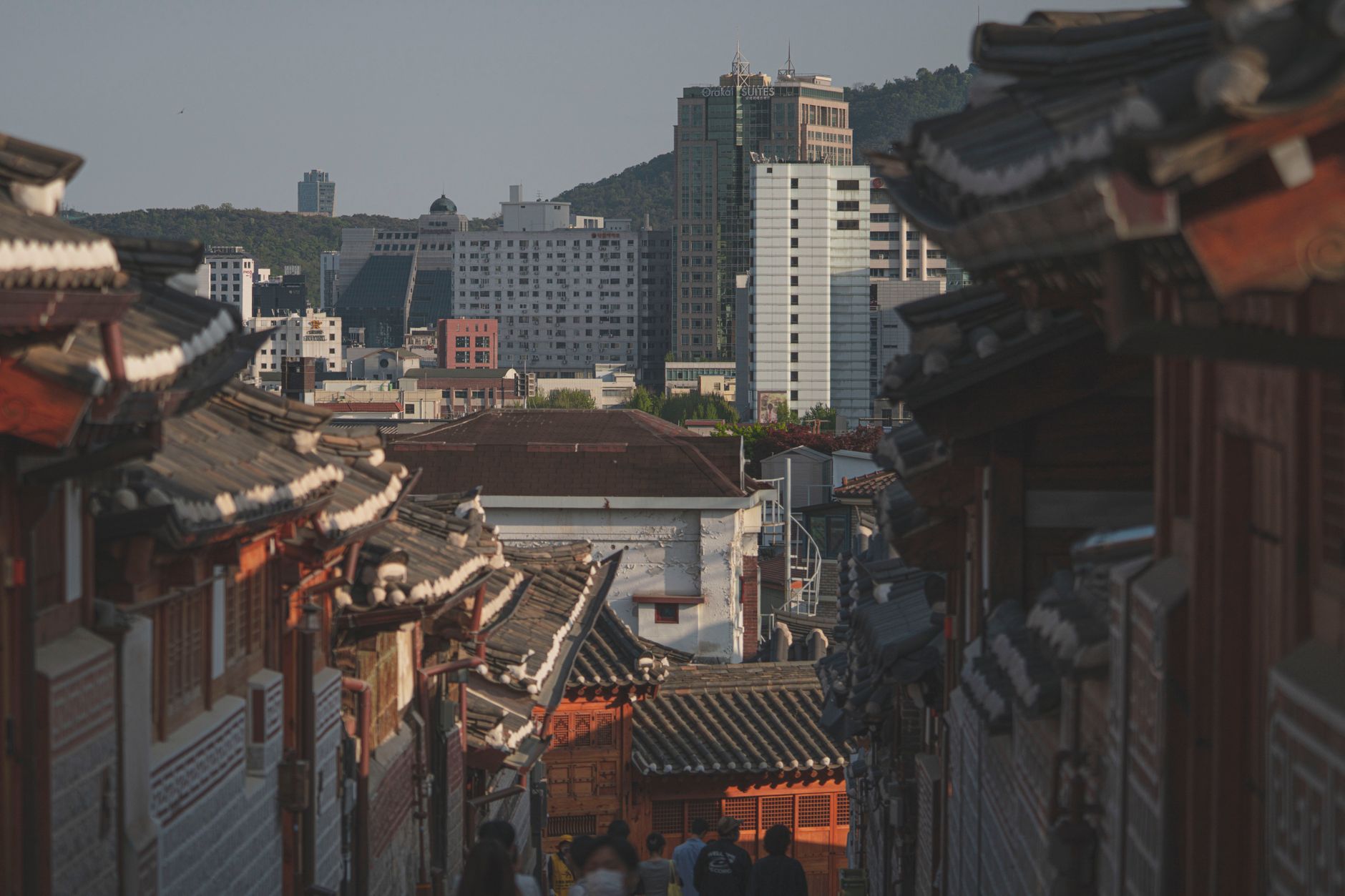
The quiet streets of Seoul, the bustling markets, the peaceful parks – they all exist in a bubble of relative safety that, for many of us, is a deeply cherished aspect of living here. This bubble, however, is not impermeable to the world’s sorrows. It merely allows for a different kind of existence, one where the focus can be on progress, culture, and connection, rather than on the constant vigilance against a specific, devastating threat.
Key Statistics: Multiple people dead after shooting at fast food restaurant in southern Idaho
- Approximately 5 million people affected (Statistics Korea, 2026)
- 12.3% increase year-on-year (KOSIS, 2026)
- Market size reached $2.8 billion in 2026
자주 묻는 질문 (FAQ)
What is the homicide rate in South Korea?
The homicide rate in South Korea was approximately 0.5 per 100,000 population in 2026.
Are guns easily available in South Korea?
No, gun ownership is extremely restricted in South Korea.
What is the general feeling of safety in Seoul?
Seoul generally experiences a low incidence of violent crime, fostering a sense of security.
How does South Korea’s gun policy compare to other countries?
South Korea has very strict gun control laws compared to countries with more permissive firearm regulations.
Get in Touch
Have questions about your specific situation? Reach out anytime for a personal consultation.
Email: huh0303@gmail.com