◇ By James Wilson (james@theseouljournal.com)
Seoul, a city renowned for its dynamic blend of ancient traditions and futuristic innovation, continues to attract millions seeking its vibrant lifestyle and economic opportunities. As we approach 2026, many prospective residents and long-term expatriates are grappling with a fundamental question: what is the true cost of living here?
This article provides an honest breakdown, navigating the financial realities of calling the South Korean capital home. From housing to daily necessities and leisure, understanding these expenses is crucial for anyone planning their Seoul journey.
Housing: The Unyielding Ascent
Housing remains the single most significant expenditure for most Seoul residents, reflecting the city’s high demand and limited space. While options range from traditional apartments (apateu) to officetels and studios (one-room), prices have seen a consistent upward trajectory.
In 2026, a modest one-room studio apartment in popular districts like Gangnam or Hongdae is estimated to cost an average of ₩1,200,000 per month in rent, excluding the substantial key money (jeonse or deposit) often required (Seoul City Institute, 2026). Even in more suburban areas such as Gyeonggi Province, which many consider when navigating Seoul’s housing market trends, rent for a similar unit averages around ₩850,000 per month.
Data from the Ministry of Land, Infrastructure and Transport (2026) indicates an average year-on-year rent increase of 7.2% across Seoul. This trend underscores the importance of budgeting carefully and exploring various neighborhoods to find suitable accommodation.
Daily Expenses: Navigating Necessities
Beyond housing, managing daily expenses is key to a sustainable life in Seoul. This category encompasses food, transportation, utilities, and communication.
Food & Groceries
Seoul offers a diverse culinary landscape, from street food stalls to Michelin-starred restaurants. However, grocery shopping and dining out significantly contribute to monthly expenditures.
For a single individual, the average monthly grocery bill for basic necessities is projected to be around ₩450,000 in 2026, assuming a mix of home cooking and occasional take-out (Statistics Korea, 2026). Dining out, while tempting, can quickly add up, with an average meal at a mid-range restaurant costing approximately ₩15,000 to ₩25,000 per person.
Transportation & Utilities
Seoul’s public transportation system is internationally acclaimed for its efficiency, cleanliness, and affordability. This makes it a preferred method for navigating Seoul’s public transport for both residents and visitors.
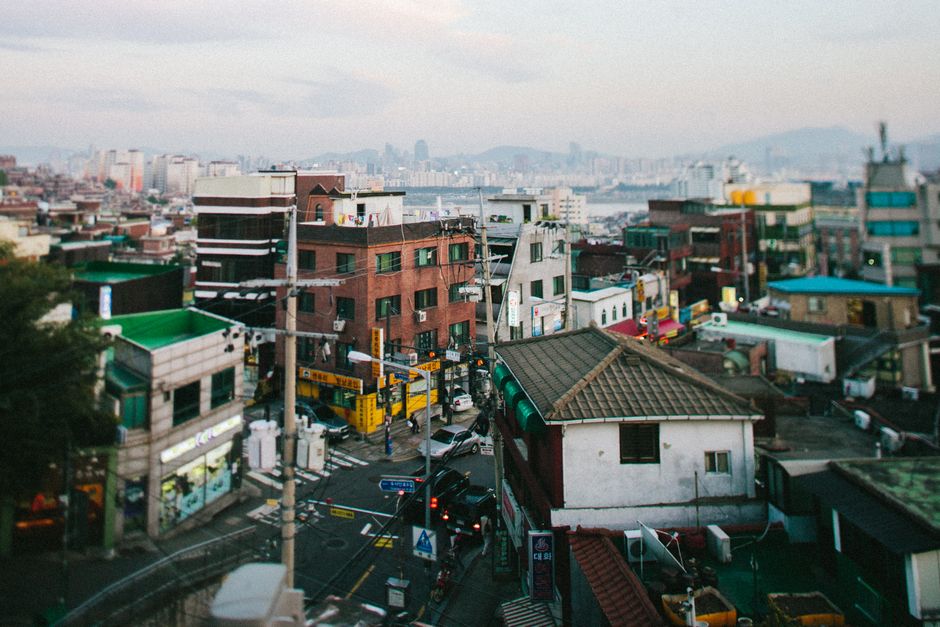
In 2026, a single subway or bus ride costs approximately ₩1,550 with a T-Money card, while a monthly public transport pass is estimated at ₩65,000, offering unlimited rides within the city (Seoul Metropolitan Government, 2026). This keeps commuting costs relatively low compared to other major global cities.
Utilities, including electricity, gas, water, and internet, typically average around ₩150,000 to ₩200,000 per month for a single person in a standard apartment (Korea Energy Economics Institute, 2026). High-speed internet, a near-necessity in South Korea, usually costs an additional ₩30,000 to ₩45,000 per month.
Lifestyle & Leisure: Beyond the Essentials
Seoul’s appeal extends far beyond its economic opportunities; it’s a city brimming with cultural experiences, entertainment, and leisure activities. From exploring palaces to enjoying K-pop concerts, there’s always something to do.
Budgeting for leisure depends heavily on individual preferences. Movie tickets average ₩15,000, while a coffee at a popular cafe can range from ₩5,000 to ₩8,000. Exploring Seoul’s vibrant cultural scene often involves museum entries or performance tickets, which vary widely but generally offer good value.
According to the Korea Tourism Organization, the average spend on leisure activities for residents saw a 5% increase in 2025, a trend expected to continue into 2026 as more people seek out experiences over material goods.
Dr. Lee Hwa-jin, Senior Economist at the Seoul Economic Research Institute, states, “The steady appreciation of real estate, coupled with rising consumer prices, means residents need to budget meticulously and explore diverse living options. However, Seoul’s robust infrastructure and competitive public services still offer considerable value compared to other global metropolises.” The Seoul Metropolitan Government continues to invest in initiatives aimed at enhancing urban living quality and accessibility.
For those considering expatriate life in Seoul, it’s advisable to research specific neighborhood costs, as prices can vary dramatically. While the cost of living in Seoul is undoubtedly high, careful financial planning and leveraging the city’s excellent public services can make it a manageable and rewarding experience. Visit Korea also provides extensive resources for understanding various aspects of life in the capital.
자주 묻는 질문 (FAQ)
What is the average rent for a one-room studio in Seoul in 2026?
In popular districts like Gangnam or Hongdae, a one-room studio averages around ₩1,200,000 per month in 2026, not including a substantial deposit.
How much should I budget for monthly groceries in Seoul?
For a single individual, budgeting approximately ₩450,000 per month for groceries is a reasonable estimate, assuming a mix of home cooking and occasional take-out.
Is public transportation expensive in Seoul?
No, Seoul’s public transportation is highly efficient and relatively affordable. A single ride costs about ₩1,550, and a monthly pass is around ₩65,000.