Asia Confronts Emerging Energy Crisis Beyond Trade Disputes
Asian economies, which largely weathered the trade policy turbulence of last year, are now facing renewed economic uncertainty due to escalating Middle East tensions. The prospect of prolonged U.S. strikes against Iran, announced by President Trump to continue for several weeks, has sparked significant concern across the region.
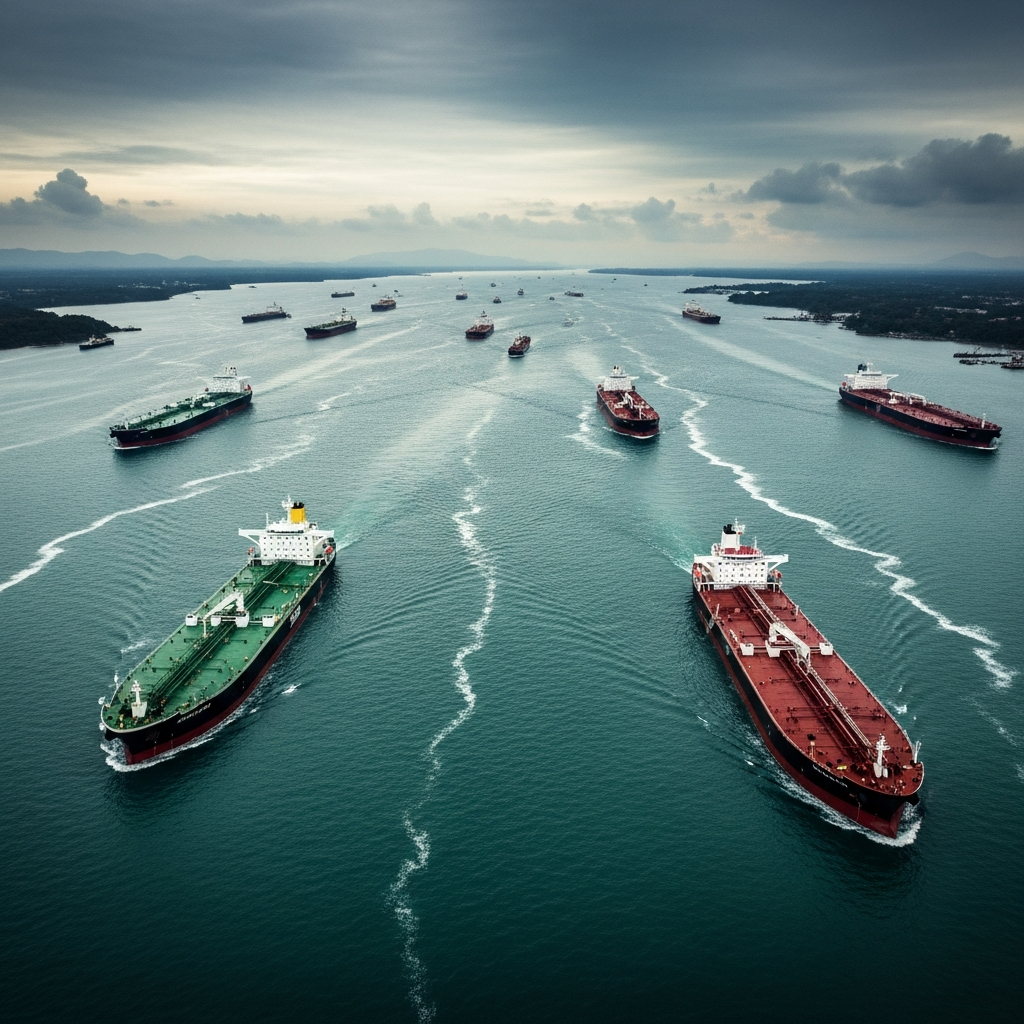
Leaders in major Asian economies such as China, Japan, South Korea, Taiwan, and India are particularly focused on the vital Strait of Hormuz. This narrow shipping channel, bordering Iran, is a critical artery for global oil supply, with one-fifth of the world’s oil passing through it. A substantial portion of this oil is destined for Asian markets, with the Middle East supplying half or more of the oil consumed by several large Asian economies.
While countries currently hold sufficient oil and gas reserves to cover immediate needs for several weeks and months, a protracted conflict or any decision by Iran to blockade the Strait of Hormuz would present a more serious threat to their economic stability.
Economists and experts suggest that Iran is unlikely to attempt to block the waterway, as the country relies heavily on oil and gas exports to China for its revenue. Such a move would also have catastrophic implications for the global economy.
Nevertheless, oil markets reacted with palpable concern, witnessing price spikes on Monday. Tanker traffic has already begun to divert from the region, opting for longer routes, while the cost of insuring these vessels has increased, and ports are starting to experience congestion.
– Craig WilsonRT (huh0303@gmail.com)