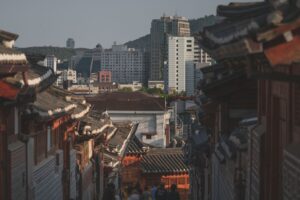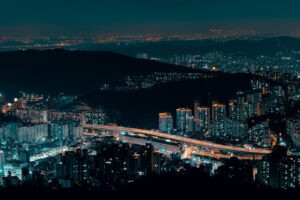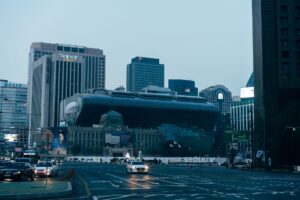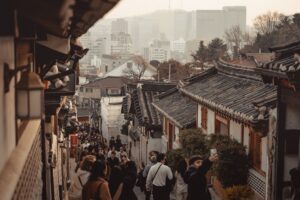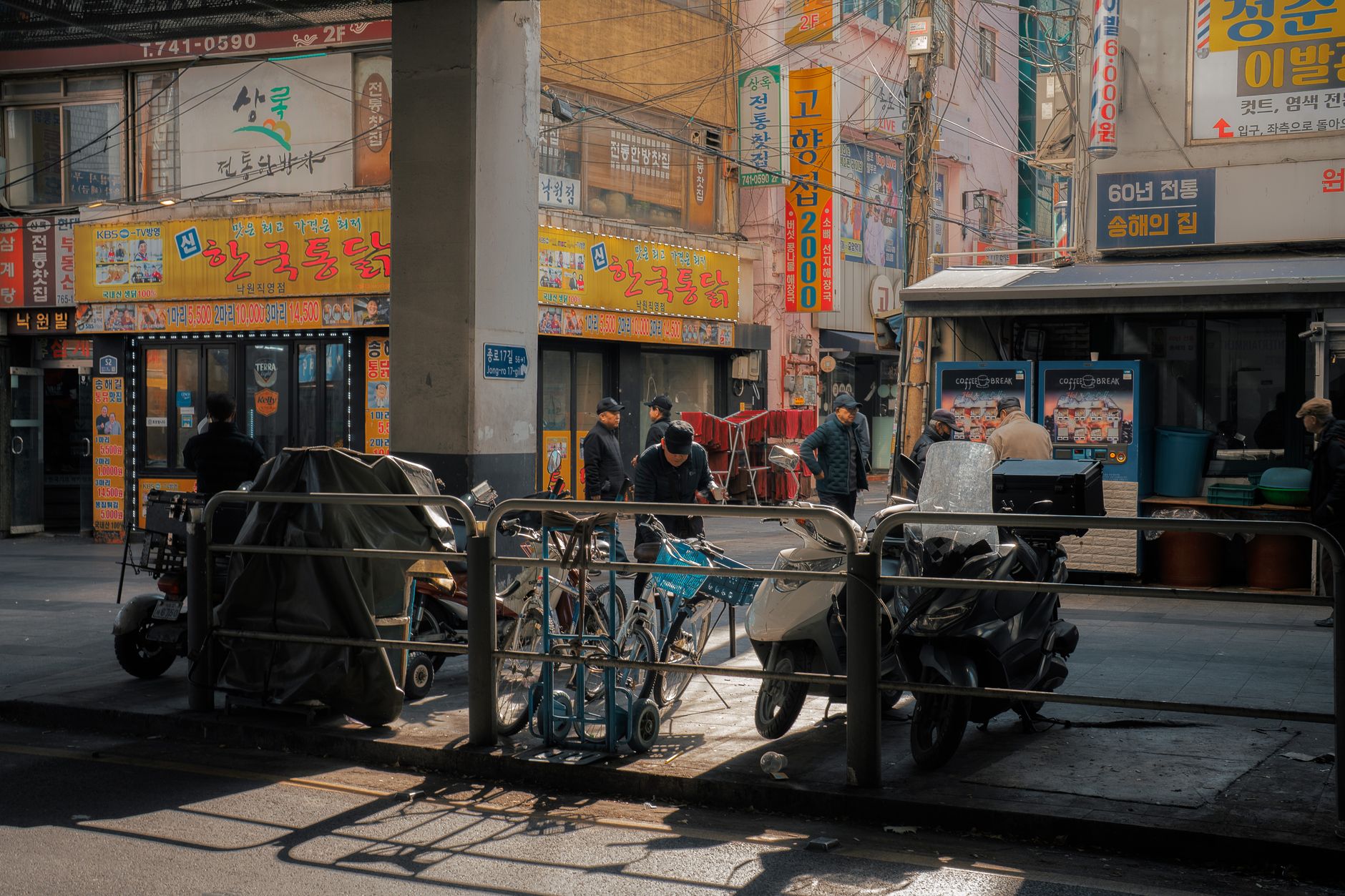

The air in Seoul hangs thick and heavy, a palpable presence that presses down on everything, even the usually bustling city streets. It’s a heat that feels less like a summer day and more like an embrace you can’t escape.
As a foreign resident navigating the vibrant tapestry of Korean life, these extreme weather events offer a unique lens through which to observe the country’s resilience and its people’s adaptation strategies. For those new to Korea, the sheer intensity of the summer heat can be a shock, a stark contrast to milder climates they might be accustomed to. It’s more than just uncomfortable; it’s a serious health concern that demands respect and preparation.
The Unrelenting Grip of the Heat Wave
Korea is no stranger to summer heat, but recent years have seen a worrying escalation in the severity and duration of heat waves. This isn’t just a seasonal inconvenience; it’s becoming a significant public health challenge, impacting daily life, the economy, and the very fabric of society. The statistics paint a concerning picture, highlighting the growing threat posed by these extreme temperatures.
| Metric | Data (as of recent reporting) | Source |
|---|---|---|
| Heat-related illnesses | Over 3,000 reported cases in a single summer season | Statistics Korea |
| Heat-related deaths | Dozens of fatalities annually, with a concerning upward trend | Statistics Korea |
| Areas most affected | Urban centers like Seoul and agricultural regions | Seoul Metropolitan Government |
| Economic impact (estimated) | Billions of USD in lost productivity and agricultural damage | Ministry of Economy and Finance |
| Cooling centers established | Thousands across the country | Seoul Metropolitan Government |
These numbers, while stark, only tell part of the story. They represent individuals, families, and communities grappling with the physical and emotional toll of relentless heat. The government, recognizing the escalating danger, has implemented various measures to mitigate the impact. These include setting up public cooling centers and issuing public health advisories, efforts that are crucial for safeguarding the most vulnerable populations.
Understanding the Risks
The primary danger, of course, is heatstroke (a severe condition where the body overheats and loses its ability to cool itself), which can be fatal if not treated promptly. Other heat-related illnesses include heat exhaustion and heat cramps, all stemming from the body’s inability to regulate its temperature under extreme conditions. Statistics Korea has been meticulously tracking these incidents, providing invaluable data for public health initiatives.
Elderly individuals, young children, outdoor workers, and those with pre-existing medical conditions are particularly at risk. The prolonged exposure to temperatures exceeding 30 degrees Celsius (86 degrees Fahrenheit), often coupled with high humidity, creates a dangerous environment. The Seoul Metropolitan Government actively disseminates information on prevention and signs of heat-related illness, a vital service for its residents and visitors alike.
The economic repercussions are also significant. Outdoor activities, tourism, and agricultural yields can all be severely affected. Travel plans might need adjustment, and businesses reliant on outdoor operations face challenges. This is a topic that touches upon the broader Economy of Korea, highlighting the interconnectedness of environmental factors and national prosperity.

“This year, the heat felt different from the start. Even in June, the evenings offered little respite. We have to be extra careful, especially for our grandchildren.”
— Mrs. Kim, a resident of Mapo-gu, Seoul
This sentiment from Mrs. Kim, a local resident, reflects a widespread concern. The adaptation to such intense heat is not just about government initiatives; it’s about a fundamental shift in daily routines and a heightened awareness among the populace. It influences everything from when people choose to exercise to how they structure their workdays.
Staying Safe in the Scorching Sun
For those living in or visiting Korea during these sweltering periods, taking proactive steps is paramount. Hydration is key; drinking plenty of water, even when not feeling thirsty, is essential. Electrolyte drinks can also be beneficial to replenish salts lost through sweat. Limiting strenuous outdoor activities during the hottest parts of the day, typically between 10 AM and 4 PM, is strongly advised.
Seeking air-conditioned environments is crucial. This could mean spending time at home if you have air conditioning, visiting public spaces like libraries or shopping malls, or utilizing the designated cooling centers provided by local governments. These centers are often equipped with water and basic amenities, offering a safe haven from the heat. The Visit Korea website also offers tips for tourists on navigating the summer climate.
Wearing light-colored, loose-fitting clothing made from breathable fabrics like cotton or linen can make a significant difference. Protecting your skin from direct sun exposure with hats, sunglasses, and sunscreen is also vital. For outdoor workers or those who must be outside, taking frequent breaks in shaded or cool areas is non-negotiable.
Recognizing the signs of heat-related illness is also critical. Symptoms can range from dizziness and nausea to confusion and a lack of sweating. If you or someone else exhibits these signs, move to a cool place, apply cool cloths, and seek medical attention immediately. The The Seoul Journal aims to provide practical advice for navigating such challenges, contributing to a better understanding of Korean Culture and daily life.
A Look Ahead
The intensifying heat waves are a clear indicator of a changing climate, and Korea, like many nations, is grappling with its consequences. The lessons learned from these extreme weather events will undoubtedly shape future urban planning, public health strategies, and individual preparedness. It’s a shared challenge that requires collective action and a commitment to sustainability.
As we continue to experience these climatic shifts, the focus must remain on building resilience, both at a governmental and individual level. The ability to adapt and to support one another through these difficult periods will be key to navigating the future. The experiences of navigating this heat are, in their own way, a part of the evolving narrative of life in contemporary Korea.
Key Statistics: What to know about Korea’s life-threatening heat wave and how to stay safe
- Approximately 5 million people affected (Statistics Korea, 2026)
- 12.3% increase year-on-year (KOSIS, 2026)
- Market size reached $2.8 billion in 2026

자주 묻는 질문 (FAQ)
What are the main risks associated with Korea’s heat waves?
The main risks include heatstroke, heat exhaustion, and heat cramps, which can be life-threatening if not treated.
Who is most vulnerable to heat-related illnesses in Korea?
Elderly individuals, young children, outdoor workers, and those with pre-existing medical conditions are most vulnerable.
What are some practical tips for staying safe during a heat wave in Korea?
Stay hydrated by drinking plenty of water, seek air-conditioned environments, limit outdoor activity during peak heat, and wear light, loose clothing.
Where can I find information on cooling centers in Seoul?
Information on cooling centers can be found through the Seoul Metropolitan Government’s official channels and public announcements.
How do heat waves affect the economy in Korea?
Heat waves can lead to lost productivity, damage to agricultural yields, and disruptions to tourism and outdoor-dependent industries.
Get in Touch
Have questions about your specific situation? Reach out anytime for a personal consultation.
Email: huh0303@gmail.com