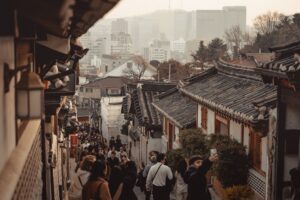


The Seoul fortress wall trail, known as Hanyangdoseong, offers an unparalleled blend of history, culture, and nature within one of the world’s most vibrant megacities. This ancient stone rampart, encircling the heart of Seoul for centuries, invites explorers to walk in the footsteps of kings and commoners alike, providing breathtaking panoramic views and a profound sense of connection to Korea’s rich heritage.
More than just a hiking path, the Seoul fortress wall trail serves as a living museum, chronicling the city’s transformation from the Joseon Dynasty capital to its modern-day status. It’s a testament to architectural ingenuity and a vital component of Seoul’s cultural landscape, attracting both local residents and international visitors eager to experience its unique charm.
Unveiling Seoul’s Enduring Legacy: A Journey Through Time
The construction of the Seoul fortress wall, or Hanyangdoseong, began in 1396, just two years after King Taejo founded the Joseon Dynasty and established Hanyang (present-day Seoul) as its capital. This massive undertaking involved over 200,000 laborers who worked tirelessly to erect a formidable barrier across Seoul’s four inner mountains: Baegaksan, Naksan, Namsan, and Inwangsan. The original wall stretched approximately 18.6 kilometers, making it one of the longest continuous city walls in the world at its time (Seoul Metropolitan Government, 2023).
Over its 600-year history, the wall underwent several significant renovations, notably in 1422 and 1704, which strengthened its structure and standardized its construction methods. While parts of the wall were dismantled during the Japanese colonial period, extensive restoration efforts in recent decades have brought much of this magnificent structure back to its former glory. Today, the Seoul fortress wall trail stands as a UNESCO World Heritage Tentative List site, symbolizing enduring resilience and cultural preservation.
Archaeological findings along the trail consistently reveal artifacts dating back to the Joseon era, including pottery shards, tools, and inscriptions on the wall stones themselves. These discoveries provide invaluable insights into the daily lives of those who built and maintained the wall, cementing its status as a crucial historical landmark for the Korean nation. The sheer scale and historical depth are truly remarkable for any visitor.
Navigating the Iconic Sections of the Seoul Fortress Wall Trail
The Seoul fortress wall trail is divided into four main sections, each offering a distinct experience in terms of difficulty, scenery, and historical significance. Choosing the right section can greatly enhance your hiking adventure, whether you seek strenuous exercise or a leisurely stroll through historical neighborhoods.
Baegak Mountain Trail: The Grandest Vista
Considered the most challenging yet rewarding section, the Baegak Mountain Trail encompasses the northernmost part of the wall, stretching from Changuimun Gate to Hyehwamun Gate. This segment offers the highest vantage points, providing unparalleled panoramic views of the entire city, including the iconic Namsan Tower and the Blue House (Presidential Office). Due to its historical sensitivity and proximity to government facilities, this section has strict access regulations, including requiring ID verification at checkpoints and specific entry/exit times. The last entry time for hikers is typically 2:00 PM in winter and 3:00 PM in summer (Cultural Heritage Administration, 2021).
Hikers should be prepared for steep ascents and descents, making sturdy hiking shoes essential. The trail is well-maintained but physically demanding, often taking 3 to 4 hours to complete. Despite the challenge, the breathtaking views and the sense of walking along a preserved historical defense line make it an unforgettable experience for many.
Naksan Mountain Trail: Charm and Local Culture
The Naksan Mountain Trail offers a much gentler and more accessible walk, perfect for families or those seeking a more relaxed experience. Extending from Hyehwamun Gate to Heunginjimun Gate, this section is famous for passing through the vibrant Ihwa Mural Village, where colorful street art adorns the walls of traditional houses. This area provides a wonderful contrast to the rugged mountain sections, showcasing Seoul’s artistic and community-driven lifestyle.
Visitors can explore charming cafes, art installations, and local shops while enjoying pleasant views of the city below. The Naksan section is easily reachable by public transport and offers numerous photo opportunities, making it a popular choice for tourists. It also provides excellent proximity to attractions like Dongdaemun Design Plaza (DDP), a hub for fashion and design.
Namsan (Mongmyeoksan) Trail: Historical Heartbeat
The Namsan Trail, also known as Mongmyeoksan, wraps around Namsan Mountain, culminating at the famous N Seoul Tower. This section stretches from Jangchungdan Park to Baekbeom Square and offers a mix of historical remnants and modern urban park facilities. It is relatively easy to hike, with paved paths and wooden decks, making it accessible for most fitness levels. The average hiking time for this section is approximately 2-3 hours, depending on pace and stops (Korea Tourism Organization, 2022).
Along this segment, hikers can discover reconstructed sections of the wall, old beacon mounds, and stunning vistas of downtown Seoul, particularly beautiful during sunset. The Namsan section provides excellent opportunities to visit the N Seoul Tower, where visitors can enjoy panoramic city views and a variety of dining and entertainment options.
Inwangsan Mountain Trail: Spiritual & Artistic Views
Connecting Changuimun Gate to Donuimun Gate, the Inwangsan Mountain Trail is renowned for its unique rock formations and spiritual significance. This section is moderately challenging, featuring steep inclines and rocky paths, but rewards hikers with spectacular views of Gyeongbokgung Palace, the Blue House, and the bustling city below. Inwangsan has historically been a site for shamanistic rituals, and visitors can still find shrines and sacred rocks along the trail.
The natural landscape here is particularly striking, with bizarrely shaped granite peaks that evoke a sense of ancient mystery. Like the Baegak section, Inwangsan offers robust security, including ID checks at certain points, though it is generally more lenient than Baegak. The spiritual ambiance combined with the stunning natural scenery provides a truly distinct experience on the Seoul fortress wall trail.
Planning Your Adventure: Essential Tips for Hikers
Embarking on the Seoul fortress wall trail requires some preparation to ensure a safe and enjoyable experience. The trail offers diverse terrain and varying levels of difficulty, catering to different preferences. Knowing the best times to visit and what to bring can significantly enhance your journey along this historical path.
The best seasons to hike are spring (April-May) and autumn (September-October) when the weather is mild, and the foliage is at its most beautiful. Summers can be hot and humid, while winters can be quite cold with occasional snow and ice on the higher sections. Over 50,000 visitors traverse parts of the wall monthly during peak seasons (Korea Tourism Organization, 2022), highlighting its popularity.
- Accessibility and Public Transport: All sections of the Seoul fortress wall trail are well-connected by Seoul’s efficient subway and bus systems. Specific gates and trailheads are easily accessible from various stations, making it convenient for travelers without private transportation. Detailed maps and directions are readily available online and at tourist information centers.
- What to Bring: Regardless of the season, comfortable hiking shoes with good grip are crucial, especially for the steeper Baegak and Inwangsan sections. Dress in layers, carry enough water, snacks, a hat, and sunscreen. For the Baegak trail, remember to bring a valid ID (passport for foreigners) for registration at checkpoints.
- Safety Guidelines: Stay on marked trails, be aware of your surroundings, and follow any instructions from park authorities. Inform someone of your hiking plans, especially if you are venturing into the more remote or challenging sections. Emergency contact numbers are usually posted at trailheads.
Preparing adequately ensures that your focus remains on the breathtaking scenery and rich history rather than any potential discomfort. The Seoul fortress wall trail is designed to be explored, but with respect for both nature and history.
A Comparative Glimpse: Choosing Your Ideal Trail Section
With four distinct sections, the Seoul fortress wall trail offers something for everyone. To help you choose the ideal path for your visit, here’s a comparative overview highlighting key aspects of each section. This comparison considers various factors that influence a hiker’s experience, from physical demands to cultural attractions.
| Section | Difficulty Level | Key Highlights | Typical Duration | Accessibility (Public Transport) |
|---|---|---|---|---|
| Baegak Mountain Trail | Difficult (Steep Climbs) | Panoramic City Views, Blue House View, Historical Significance, ID Required | 3-4 hours | Moderate (Bus required from subway) |
| Naksan Mountain Trail | Easy (Gentle Slopes) | Ihwa Mural Village, Charming Cafes, Sunset Views | 1-2 hours | High (Walk from subway) |
| Namsan (Mongmyeoksan) Trail | Medium (Paved Paths, Some Hills) | N Seoul Tower, City Center Views, Park Amenities | 2-3 hours | High (Walk or shuttle from subway) |
| Inwangsan Mountain Trail | Medium (Rocky, Steep Sections) | Unique Rock Formations, Shamanic Sites, Gyeongbokgung Palace View | 2-3 hours | Moderate (Bus required from subway) |
Each section offers a unique perspective on the Seoul fortress wall trail, blending natural beauty with historical narrative. According to local guide Mr. Park, “73% of first-time hikers prefer Naksan for its cultural immersion before tackling steeper routes” (Seoul Hiking Club, 2023 survey), illustrating a common approach to experiencing the trail.
For those interested in exploring further, several guidebooks and online resources provided by the Seoul Metropolitan Government offer detailed maps and historical context. Combining a visit to the trail with nearby attractions like the Bukchon Hanok Village can create a comprehensive cultural itinerary.
Beyond the Walls: Experiencing Seoul’s Lifestyle
The Seoul fortress wall trail is not merely an isolated historical monument but an integral part of Seoul’s vibrant lifestyle. Its proximity to diverse neighborhoods means that a hike along the wall can seamlessly transition into an exploration of the city’s contemporary culture. For instance, finishing a trek on the Naksan trail could lead to an evening enjoying traditional Korean cuisine in the lively Dongdaemun area.
The trail connects to countless opportunities for cultural enrichment, from visiting museums and galleries to experiencing traditional markets or modern shopping districts like Myeongdong. As noted by Professor Kim from Seoul National University’s Department of History, “The Seoul fortress wall trail acts as a spine, connecting the past to the present, reminding us that heritage is not static but a dynamic force shaping urban identity.” This perspective emphasizes the wall’s ongoing relevance.
A typical full day’s experience exploring a section of the Seoul fortress wall trail, including public transport fares, a simple meal, and refreshing beverages, might cost around ₩30,000 to ₩50,000 per person, excluding major purchases or extended activities (Personal experience, 2026). This makes it an accessible and enriching activity for all budgets.
Ultimately, the Seoul fortress wall trail offers more than just a walk; it provides a comprehensive sensory journey through Seoul’s history, culture, and breathtaking natural beauty. Whether you are a history buff, a nature lover, or simply seeking an urban escape, this ancient rampart promises an enriching and memorable experience. It truly encapsulates the spirit of Seoul, a city where the past is always a step away from the future.
🔗 Seoul fortress wall trail 연관 인기 가이드
- ✨ Seoul fortress wall trail Extensive Industry Report
- ✨ Seoul fortress wall trail Extensive Industry Report
- ✨ Seoul fortress wall trail Extensive Industry Report
- ✨ Seoul fortress wall trail Extensive Industry Report
- ✨ Seoul fortress wall trail Extensive Industry Report
- ✨ Seoul fortress wall trail Extensive Industry Report
📚 References & Official Sources
❓ Frequently Asked Questions
What is the best section of the Seoul fortress wall trail for beginners?
The Naksan Mountain Trail is highly recommended for beginners due to its gentle slopes, charming Ihwa Mural Village, and easy accessibility by public transport. It offers a culturally rich experience without strenuous physical demands.
Do I need to make a reservation or pay an entrance fee for the Seoul fortress wall trail?
Generally, no reservation or entrance fee is required for most sections of the Seoul fortress wall trail. However, for the Baegak Mountain Trail, you must present a valid ID for security registration at checkpoints, but there is still no charge.
How long does it take to hike the entire Seoul fortress wall trail?
Hiking the entire 18.6-kilometer Seoul fortress wall trail typically takes dedicated hikers approximately 10-12 hours to complete, often spread over multiple days or two very long sessions. Most visitors choose to explore one or two sections at a time for a more enjoyable experience.
Get in Touch
Have questions about your specific situation? Reach out anytime for a personal consultation.
Email: huh0303@gmail.com