5 Unbeatable Reasons Why These Are the Best Neighborhoods to Live in Seoul
Discover the best neighborhoods to live in Seoul! Expert insights on Gangnam, Hongdae, Itaewon, and more, with tips on cost, commute, and lifestyle.
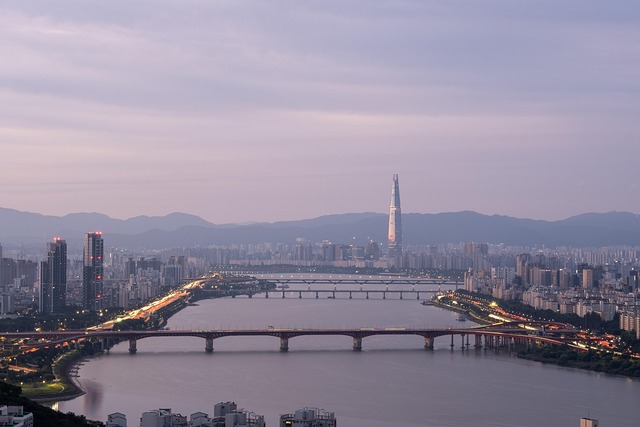
best neighborhoods to live in Seoul - Seoul Lifestyle
Navigating Seoul’s Urban Tapestry: Discovering the Best Neighborhoods to Live In Seoul
When considering the best neighborhoods to live in Seoul, prospective residents are met with an exhilarating blend of tradition, innovation, and diverse lifestyles. Seoul, a sprawling metropolis that seamlessly marries ancient palaces with futuristic skyscrapers, offers an unparalleled living experience. Choosing the right neighborhood can significantly shape your daily life, commute, and overall satisfaction. This comprehensive guide, crafted by an industry expert and SEO content master, delves deep into the vibrant districts of Korea’s capital, providing invaluable insights for anyone looking to make Seoul their home.
From bustling commercial hubs to tranquil residential enclaves, each area presents unique characteristics. Understanding these nuances is crucial for identifying an environment that aligns perfectly with your personal or professional needs. Our goal is to equip you with the knowledge to confidently pinpoint the best neighborhoods to live in Seoul, ensuring a smooth and enjoyable transition into this dynamic city.
Factors to Consider When Choosing Your Ideal Seoul Neighborhood
Selecting a home in a city as diverse as Seoul requires thoughtful consideration of several key factors. These elements can profoundly impact your quality of life and daily routines, making careful assessment essential. It is not merely about finding a place to sleep, but discovering a community that resonates with your personal aspirations and practical requirements.
Lifestyle and Demographics
Seoul’s neighborhoods each possess a distinct personality. Some areas buzz with youthful energy, catering to students and creatives, while others offer a more serene, family-oriented atmosphere. Consider what kind of daily environment you thrive in. Do you prefer vibrant nightlife and endless dining options, or quiet parks and community facilities? The demographic makeup often dictates the types of amenities and services available, directly influencing whether a particular district ranks among the best neighborhoods to live in Seoul for your specific lifestyle.
For instance, areas like Hongdae are known for their youthful population and indie culture, while Gangnam often attracts professionals and families seeking upscale amenities. Researching local community events and the general “vibe” of a neighborhood can provide crucial insights.
Commute and Accessibility
Seoul boasts one of the most efficient public transportation systems globally, primarily centered around its extensive subway network. Proximity to subway stations and major bus routes is often a top priority for residents. A seamless commute can drastically improve your work-life balance and reduce daily stress. Analyze your primary destinations – work, school, or frequent social spots – and assess how easily accessible they are from potential neighborhoods.
Neighborhoods with multiple subway lines or express bus routes are often highly sought after due to their superior connectivity. The Seoul Metropolitan Government’s T-Money card system makes navigating this network incredibly convenient, but travel times can still vary significantly across districts, impacting which areas are truly the best neighborhoods to live in Seoul for you.
Cost of Living and Housing
Housing costs are arguably one of the most significant considerations when moving to Seoul. Rent prices, utility costs, and even general expenses like groceries and dining out can differ substantially from one district to another. Upscale areas like Gangnam typically command higher rents and overall living expenses, while districts slightly further from the city center might offer more affordable options without sacrificing convenience.
Understanding the local housing market, including the prevalence of Jeonse (lump-sum deposit) and Wolse (monthly rent plus deposit) systems, is vital. Prospective tenants should be aware that initial deposits can be substantial, often ranging from several million to hundreds of millions of Korean Won, even for monthly rentals. This financial aspect plays a critical role in determining the best neighborhoods to live in Seoul within your budget.
Top Contenders: The Best Neighborhoods to Live in Seoul
Seoul’s diverse districts each offer a unique allure, catering to different preferences and priorities. Here, we highlight some of the most popular and highly-regarded areas, showcasing why they are consistently considered among the best neighborhoods to live in Seoul.
Gangnam-gu: The Epitome of Modern Seoul Luxury
Gangnam-gu is synonymous with luxury, high fashion, and a bustling urban lifestyle. Known globally through pop culture, this district represents the pinnacle of modern Korean success and sophistication. It is home to upscale shopping streets like Apgujeong Rodeo and Cheongdam-dong, world-class dining, and vibrant nightlife. Professionals, expatriates, and families seeking premium amenities often find Gangnam-gu to be one of the best neighborhoods to live in Seoul.
Despite its high-end reputation, Gangnam also offers excellent educational institutions and medical facilities. Its extensive subway network, including Line 2 and the Shinbundang Line, provides superb connectivity to other parts of the city. While housing prices are among the highest in Seoul, the unparalleled convenience and quality of life make it a top choice for many.
Hongdae (Mapo-gu): Youthful Vibrancy and Artistic Flair
Nestled within Mapo-gu, the Hongdae area pulses with youthful energy, artistic expression, and an independent spirit. Centered around Hongik University, it’s a hub for street art, live music venues, trendy cafes, and unique boutiques. This district attracts students, artists, and young professionals who thrive in a creative and dynamic environment. For those seeking constant stimulation and a lively social scene, Hongdae is undeniably one of the best neighborhoods to live in Seoul.
Hongdae boasts excellent public transportation with direct access to Incheon International Airport via the AREX line and major subway lines (Line 2, Airport Railroad, Gyeongui-Jungang Line). While known for its nightlife, quieter residential pockets offer a surprising degree of tranquility, making it a versatile option for various residents.
Itaewon (Yongsan-gu): Seoul’s Global Hub
Itaewon, located in Yongsan-gu, stands out as Seoul’s most international district. It’s a melting pot of cultures, home to a large expatriate community, diverse international restaurants, foreign embassies, and unique shops catering to global tastes. The neighborhood offers a distinct atmosphere, a stark contrast to more homogeneous Korean districts. For newcomers seeking a familiar international environment, Itaewon consistently ranks among the best neighborhoods to live in Seoul.
The presence of the U.S. Army Garrison Yongsan historically contributed to its diverse character, and even with the base’s relocation, Itaewon retains its global essence. It provides convenient access to Namsan Mountain for outdoor activities and is well-connected by subway (Line 6). Housing options here range from modern apartments to charming hillside homes, albeit with a premium on space and views.
Seochon & Bukchon (Jongno-gu): Traditional Charm Meets Urban Chic
For those enchanted by Seoul’s rich history and traditional architecture, Seochon and Bukchon Hanok Villages in Jongno-gu offer a truly unique living experience. These areas allow residents to step back in time, surrounded by beautifully preserved Hanok (traditional Korean houses) and narrow, winding alleyways. Yet, they are just a stone’s throw away from modern conveniences, art galleries, quaint cafes, and historical landmarks like Gyeongbokgung Palace. These villages are among the best neighborhoods to live in Seoul for cultural immersion.
Living in these historic districts means embracing a quieter, more reflective pace of life, while still enjoying excellent subway connectivity (Line 3) and proximity to Seoul’s major cultural institutions. Housing here can be a blend of meticulously renovated hanoks and modern low-rise buildings, often commanding a premium for their unique charm and historical significance.
Jamsil (Songpa-gu): Family-Friendly and Future-Forward
Jamsil, in Songpa-gu, presents itself as a modern, family-friendly district with impressive infrastructure and ample recreational opportunities. Home to Lotte World Tower, Lotte World amusement park, Seokchon Lake, and Olympic Park, Jamsil offers a high quality of life with a focus on convenience and green spaces. It’s an excellent choice for families and individuals who appreciate modern amenities and a relaxed yet connected lifestyle, easily placing it among the best neighborhoods to live in Seoul.
The area is well-served by subway lines (Line 2 and Line 9), providing efficient access across the city. The comprehensive development spearheaded by the Seoul Metropolitan Government and private entities ensures Jamsil is continually evolving with new residential and commercial facilities. The average price for a two-bedroom apartment in a newer complex can range from ₩1.5 million to ₩3 million per month, reflecting its desirability.
Comparative Overview: Navigating Seoul’s Diverse Locales
To help you visualize the differences between these top contenders, here’s a comparative table highlighting key aspects that define each of the best neighborhoods to live in Seoul. This quick reference can assist in narrowing down your choices based on your primary preferences.
| Neighborhood | Vibe | Average Monthly Rent (1-BR)* | Key Attractions | Commute Index (1-5, 5=Excellent) |
| Gangnam-gu | Luxury, Business, Trendsetting | ₩1.2M – ₩2.5M+ | Apgujeong, Cheongdam, Coex, Garosu-gil | 5 |
| Hongdae (Mapo-gu) | Youthful, Artistic, Indie | ₩0.7M – ₩1.5M | Street Art, Live Music, Cafes, Yeonnam-dong | 4 |
| Itaewon (Yongsan-gu) | International, Diverse, Expat-friendly | ₩0.9M – ₩2.0M | Global Dining, Namsan Mountain, Antique Street | 4 |
| Seochon/Bukchon (Jongno-gu) | Traditional, Cultural, Quaint | ₩0.8M – ₩1.8M | Hanok Villages, Gyeongbokgung Palace, Art Galleries | 4 |
| Jamsil (Songpa-gu) | Modern, Family-friendly, Recreational | ₩1.0M – ₩2.2M | Lotte World Tower, Olympic Park, Seokchon Lake | 5 |
*Average monthly rent for a 1-bedroom apartment (Wolse, excluding significant deposit) as of early 2024. Prices can vary widely based on exact location, building age, and amenities. Figures are approximate and for comparative purposes.
Practical Tips for Relocating to the Best Neighborhoods to Live in Seoul
Moving to a new city, especially one as vast as Seoul, requires careful planning and an understanding of local customs and procedures. These practical tips will help ensure a smoother transition as you settle into one of the best neighborhoods to live in Seoul.
Understanding Seoul’s Rental Market
The rental market in Seoul operates differently from many Western countries. The two primary systems are Jeonse and Wolse. Jeonse involves a large lump-sum deposit paid to the landlord for the entire lease period (typically two years), with no monthly rent. The landlord earns by investing this money. Wolse involves a smaller deposit (key money, often 10-20 times the monthly rent) plus monthly rent payments. Real estate agencies (부동산 – budongsan) are the primary way to find apartments. Be prepared for agent fees, typically 0.3-0.5% of the annual rent or Jeonse deposit. Always ensure you have a written contract and ideally, seek assistance from a Korean speaker or a reputable international real estate service.
According to data from the Ministry of Land, Infrastructure and Transport (국토교통부), apartment transaction volumes and rental prices vary significantly by district, reflecting demand and supply dynamics. Engaging with a local real estate agent who specializes in the best neighborhoods to live in Seoul will provide the most current and accurate information.
Navigating Public Transportation
Mastering Seoul’s public transportation is key to urban living. Purchase a T-Money card immediately upon arrival; it’s reusable for subways, buses, and even taxis, offering convenience and discounted fares. Apps like Naver Maps or KakaoMap are indispensable for real-time navigation, bus schedules, and subway routes, making it easy to travel efficiently, even from the farther reaches of the best neighborhoods to live in Seoul.
The Seoul subway system operates from approximately 5:30 AM to 1 AM, with slight variations. Buses run similarly, with some late-night “Owl Bus” routes available. Understanding the transfer system and utilizing these apps will drastically simplify your daily commute.
Cultural Integration and Local Amenities
Embracing local culture and making an effort to learn basic Korean phrases can greatly enhance your experience. Most neighborhoods offer a wealth of amenities, from convenience stores (편의점 – pyeonui점) on every corner to large supermarkets like Lotte Mart or E-Mart. Explore local markets for fresh produce and unique finds. Many public parks, fitness centers, and community centers offer affordable classes and activities, providing excellent opportunities for cultural integration and finding new friends, regardless of which of the best neighborhoods to live in Seoul you choose.
Seoul’s robust internet infrastructure ensures seamless connectivity, and utility services are generally reliable and easy to set up. Don’t hesitate to engage with local residents; Koreans are generally friendly and often willing to assist newcomers.
Beyond the Hype: Hidden Gems and Emerging Areas
While the aforementioned districts are consistently rated among the best neighborhoods to live in Seoul, the city continually evolves, offering new and emerging areas worth exploring. Districts like Seongsu-dong, often dubbed ‘Brooklyn of Seoul,’ are gaining popularity for their industrial-chic cafes, artisanal shops, and creative studios. Yongsan-gu, beyond Itaewon, is undergoing massive redevelopment, promising new residential and commercial hubs.
For those seeking a quieter, more residential experience without sacrificing connectivity, areas like Mangwon-dong (near Hongdae) or parts of Gwangjin-gu offer a more local feel, with charming cafes, independent shops, and a strong sense of community, often at a more accessible price point. Exploring these areas can uncover unique living opportunities.
Conclusion: Finding Your Perfect Slice of Seoul
Choosing the best neighborhoods to live in Seoul is a highly personal journey, influenced by a myriad of factors from lifestyle preferences to budget constraints. Whether you’re drawn to the metropolitan allure of Gangnam, the artistic pulse of Hongdae, the global diversity of Itaewon, the historical tranquility of Jongno, or the family-friendly amenities of Jamsil, Seoul offers a neighborhood tailored to almost every desire.
By carefully considering the factors outlined in this guide and leveraging the practical tips provided, you are well-equipped to embark on your Seoul adventure. The city’s unparalleled vibrancy and diverse offerings ensure that no matter where you settle, you’re guaranteed an enriching and unforgettable experience in one of the world’s most dynamic capitals. We hope this guide helps you discover your ideal living space among the best neighborhoods to live in Seoul.
🔗 best neighborhoods to live in Seoul 연관 인기 가이드
- ✨ best neighborhoods to live in Seoul Extensive Industry Report
- ✨ best neighborhoods to live in Seoul Extensive Industry Report
- ✨ best neighborhoods to live in Seoul Extensive Industry Report
- ✨ best neighborhoods to live in Seoul Extensive Industry Report
- ✨ best neighborhoods to live in Seoul Extensive Industry Report
- ✨ best neighborhoods to live in Seoul Extensive Industry Report
📚 References & Official Sources
❓ Frequently Asked Questions
What is the average cost of living in Seoul for a single person?
The average monthly cost of living for a single person in Seoul (excluding rent) can range from ₩1,000,000 to ₩1,500,000, depending on lifestyle choices. Rent for a 1-bedroom apartment can add another ₩700,000 to ₩2,500,000+.
Is Seoul safe for foreigners and expatriates?
Yes, Seoul is consistently ranked as one of the safest major cities in the world. Crime rates are very low, and public transportation operates safely even late at night, making it very welcoming for foreigners and expatriates.
How do I find an apartment in Seoul?
The most common way to find an apartment in Seoul is through local real estate agencies (부동산 – budongsan). Websites like Zigbang or Dabang also list properties, but agency assistance is highly recommended for contract negotiation and understanding local rental systems (Jeonse/Wolse).