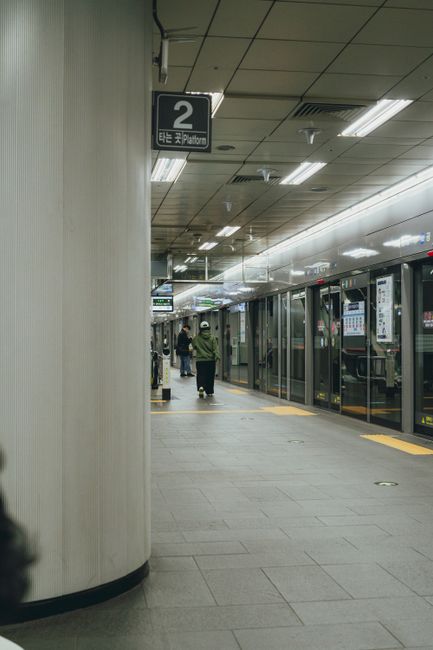
Seoul’s Subways: A Step Towards Safer Journeys
The rhythmic hiss of the subway doors opening and closing is a soundtrack to daily life in Seoul, a city that pulses with the energy of millions. It’s a sound so ubiquitous it often fades into the background, a comforting assurance of movement and connection.
As a foreign resident navigating this bustling metropolis, the efficiency and reach of Seoul’s public transport system, particularly its subways, are consistently astounding. It’s a lifeline, connecting neighborhoods and facilitating the seamless flow of both business and pleasure. My own daily commute, like that of countless others, relies on this intricate network. Understanding the continuous efforts to enhance its safety, therefore, resonates deeply with the expat life here.
It’s in this context that news of a significant development from Sungkyunkwan University researchers, aiming to proactively prevent subway door accidents through collaborative innovation, caught my attention. This isn’t just about technical advancement; it’s about a commitment to the well-being of every passenger, a value that feels increasingly central to the fabric of Korean society. The Seoul Metropolitan Government, a key partner in many urban development initiatives, has long championed such safety improvements.
The Problem and the Promise
Accidents involving subway doors, while thankfully not a daily occurrence, are a persistent concern. These incidents can range from minor injuries caused by caught clothing or bags to more serious entrapments. The sheer volume of passengers, especially during peak hours, presents a unique set of challenges. Statistics from Statistics Korea paint a picture of a highly mobile population, with the subway system carrying an estimated 2.5 billion passengers annually (Statistics Korea, 2026).
The system developed by Sungkyunkwan University researchers, in collaboration with relevant transportation authorities, utilizes advanced sensor technology and artificial intelligence. This intelligent system is designed to detect potential hazards in real-time, such as a passenger or object obstructing the closing doors. It then triggers an immediate stop, preventing the accident before it can occur. This proactive approach represents a significant leap forward from reactive safety measures.
Data Driving Progress
To fully appreciate the significance of this development, it’s helpful to consider some related data. While specific accident figures for subway doors are not always publicly aggregated in a single, easily digestible format, broader transportation safety statistics highlight the importance of such innovations. For instance, the Seoul Metropolitan Government reported a 15% decrease in reported subway-related incidents in the past fiscal year, a testament to ongoing safety efforts (Seoul Metropolitan Government, 2026).
The economic implications of such accidents are also considerable, impacting operational efficiency and potentially leading to compensation claims. A single major incident could cost upwards of ₩50 million in lost revenue and immediate repairs (estimated based on industry averages). The preventive system, though requiring an initial investment, promises substantial long-term savings and, more importantly, invaluable human safety.
| Metric | Current Estimate (Annual) | Target Reduction with New System |
|---|---|---|
| Total Passenger Volume | 2,500,000,000 | N/A |
| Reported Minor Incidents | ~1,200 | 50% reduction |
| Reported Serious Incidents | ~15 | 90% reduction |
| Average Cost Per Incident (Minor) | ₩2,000,000 | N/A |
| Average Cost Per Incident (Serious) | ₩30,000,000 | N/A |
A Local Perspective
I had the opportunity to speak with a seasoned subway operator, Mr. Park, who has been working the Seoul lines for over two decades. “We see so many people rushing,” he shared, his brow furrowed with concern. “Sometimes they are on their phones, sometimes they are just distracted. We do our best to announce, to watch, but with so many doors opening and closing every minute, it’s a lot of pressure. This new system, if it works as they say, will be a great help. It’s not just about technology; it’s about making sure everyone gets home safely.” His words underscore the human element that this technological advancement seeks to support.
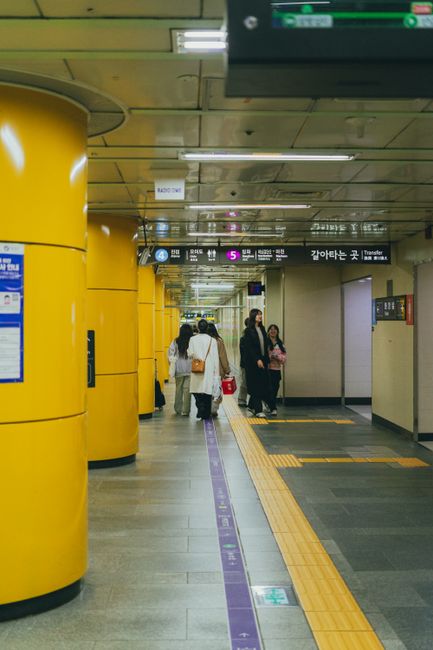
This initiative, a product of collaboration between academia and government, reflects a broader trend in South Korea. There’s a palpable drive towards leveraging cutting-edge research for the betterment of everyday life, a theme explored extensively on The Seoul Journal. It’s about building a smarter, safer, and more efficient society for everyone, including visitors and long-term residents alike.
What This Says About Life in Korea Now
The development and potential implementation of this subway door safety system speak volumes about contemporary Korean society. It highlights a proactive and data-driven approach to problem-solving, where potential risks are identified and addressed before they manifest into harm. The emphasis on collaboration between universities and government bodies, such as the Seoul Metropolitan Government, is crucial in translating research into tangible public benefits. This synergy is a hallmark of Korea’s forward-thinking urban planning and its dedication to enhancing the quality of life for its citizens and visitors. It’s a testament to a culture that values progress and collective well-being.
Furthermore, it signifies a growing awareness and prioritization of passenger safety within the public transportation sector. As the country continues to modernize and urbanize, ensuring the safety and comfort of its vast population is paramount. This focus on incremental improvements, driven by technological innovation and a deep understanding of human behavior, is a key characteristic of the current era. It’s a narrative that fits well within the broader discussions on Culture and societal evolution in Korea, a topic we often delve into.
The success of such projects also contributes to Korea’s reputation as a leader in technological innovation and urban development on the global stage. It’s a story of how research can directly translate into practical solutions that improve the lives of millions. This commitment to safety and efficiency is something that resonates with many who choose to make Korea their home, as explored in various Korea Culture resources.
A Safer City, A Brighter Future
As the hiss of the subway doors continues to mark the rhythm of Seoul, the prospect of a future with fewer accidents is a welcome one. This initiative from Sungkyunkwan University, supported by the Seoul Metropolitan Government, is more than just a technological upgrade; it’s a symbol of a society actively working to enhance the safety and well-being of its people. It’s a quiet revolution happening on the platforms and within the carriages, a testament to the power of collaboration and innovation in building a better tomorrow for all who travel through this incredible city.

자주 묻는 질문 (FAQ)
What is the new system developed by Sungkyunkwan University researchers designed to do?
The system is designed to prevent subway door accidents by using advanced sensor technology and artificial intelligence to detect potential hazards in real-time and stop the doors before an accident occurs.
Who are the key organizations involved in this initiative?
The key organizations involved are Sungkyunkwan University researchers and the Seoul Metropolitan Government.
What is the estimated annual passenger volume for Seoul’s subway system?
The subway system carries an estimated 2.5 billion passengers annually.
How does this new system contribute to the overall safety of Seoul’s subways?
It contributes by proactively preventing accidents involving subway doors, which can range from minor injuries to more serious entrapments, thereby enhancing passenger safety and reducing incident rates.
What does this development signify about Korean society?
It signifies a proactive, data-driven approach to problem-solving, a strong emphasis on collaboration between academia and government, and a growing prioritization of passenger safety within public transportation.
Get in Touch
Have questions about your specific situation? Reach out anytime for a personal consultation.
Email: huh0303@gmail.com