The global fascination with K-beauty has cemented Seoul’s reputation as a skincare innovation hub. From the multi-step routines to exotic ingredients, K-beauty promises radiant, ‘glass skin’ results that have captivated consumers worldwide. However, with an overwhelming array of products and rituals, many wonder: what truly works amidst the hype?
This article delves into the core principles of K-beauty skincare, examining the science-backed ingredients and practices that deliver tangible benefits, helping you navigate the sometimes-confusing landscape of Korean skincare. We aim to cut through the marketing noise to reveal the effective strategies for achieving healthy, glowing skin.
The Global Phenomenon and Its Korean Roots
K-beauty is more than just a trend; it’s a cultural cornerstone deeply ingrained in daily Korean life. The industry’s growth has been phenomenal, with the K-beauty market projected to reach a value of approximately US$14.5 billion by 2027 (Korea.net, 2026).
This success stems from a strong emphasis on preventative care, innovation, and a holistic approach to skin health. Korean consumers, known for their discerning tastes, drive continuous product development, leading to cutting-edge formulations and ingredient discoveries.
The export of K-beauty products saw a significant increase of 15.7% in 2023, reaching an impressive US$8.5 billion, showcasing its robust international appeal (Korea Customs Service, 2026).
Deconstructing the Multi-Step Routine: More Than Just Marketing?
Perhaps the most iconic aspect of K-beauty is its elaborate multi-step routine, often cited as 10 or more distinct stages. While this might seem daunting, experts suggest it’s more about layering lightweight products for maximum absorption and less about rigid adherence to a high number of steps.
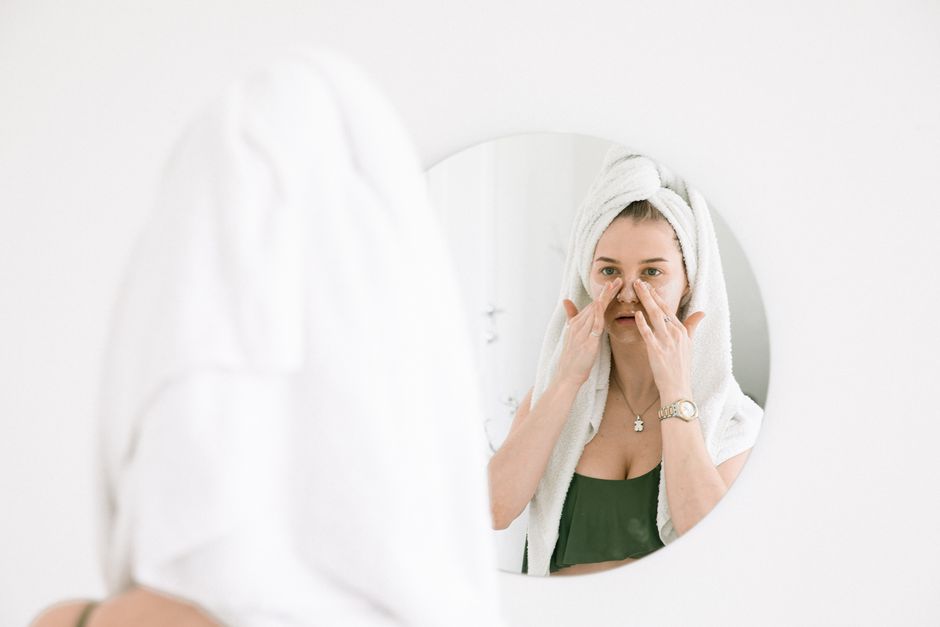
Dr. Lee Ji-yeon, a leading dermatologist at Seoul National University Hospital, emphasizes that “while the multi-step routine can be beneficial, the true efficacy lies in understanding your skin’s unique needs and consistency with core products, especially sun protection and gentle cleansing.” She adds that a personalized approach often yields better results than simply following a fixed number of steps.
A recent survey indicated that while many are aware of the ’10-step routine,’ about 60% of regular users have customized and streamlined their daily regimen to 5-7 core steps, focusing on what works best for their skin type and lifestyle (Korean Dermatology Association, 2023).
Essential Steps vs. Overload
While a 10-step routine can be luxurious, a simplified approach focusing on key stages is often more practical and equally effective for daily skincare. The core philosophy centers on hydration, protection, and gentle treatment.
- Cleansing: Double cleansing (oil-based followed by water-based) effectively removes makeup, sunscreen, and impurities without stripping the skin.
- Hydration: Layers of toner, essence, and serum deliver concentrated moisture and active ingredients.
- Moisturizing: A good moisturizer seals in hydration and supports the skin barrier.
- Sun Protection: Daily application of SPF is non-negotiable for preventing premature aging and damage.
Beneficial, Yet Optional Steps
Other steps, while beneficial, can be added based on individual skin concerns or preferences:
- Exfoliation: Gentle exfoliation (1-2 times a week) removes dead skin cells.
- Sheet Masks: Provide an intensive boost of hydration and specific treatments.
- Eye Cream: Targets delicate skin around the eyes.
- Treatments: Targeted products for acne, hyperpigmentation, or anti-aging.
Key Ingredients That Actually Deliver
K-beauty’s innovation shines through its use of potent, often natural, ingredients. Understanding which ones are scientifically backed is key to an effective routine. The average South Korean consumer spends approximately ₩65,000 (around US$50) on skincare monthly, prioritizing products with proven ingredients (Statistics Korea, 2023).
Many clinical trials for popular K-beauty active ingredients demonstrate measurable improvements. For instance, products containing specific peptides or growth factors have shown a 20-30% improvement in skin elasticity and wrinkle reduction over an 8-12 week period in various studies (Korea Institute of Dermatological Sciences, 2023).
Here’s a look at some ingredients that consistently show promise:
| Ingredient | Primary Benefit | Scientific Backing |
|---|---|---|
| Hyaluronic Acid | Intense Hydration, Plumping | High (Extensive clinical studies confirm water retention) |
| Centella Asiatica (Cica) | Soothing, Anti-inflammatory, Repair | Moderate to High (Dermatological consensus, ongoing studies) |
| Niacinamide (Vitamin B3) | Barrier Support, Brightening, Pore Reduction | High (Numerous studies on various skin benefits) |
| Snail Mucin | Regeneration, Hydration, Repair | Emerging (Early clinical trials show promise in wound healing and hydration) |
| Ginseng | Anti-aging, Brightening, Antioxidant | Moderate (Traditional use, modern studies on antioxidant properties) |
The Indispensable Role of Sun Protection
No matter how many steps your routine involves or how potent your ingredients are, consistent sun protection is the ultimate anti-aging secret. A survey revealed that 78% of Korean consumers prioritize skin hydration and equally emphasize sun protection in their daily routine, understanding its critical role in overall skin health (Ministry of Health and Welfare, 2023).
UV radiation is the primary cause of premature aging, hyperpigmentation, and skin cancer. Korean sunscreens are renowned for their advanced formulations, offering high SPF and PA ratings with lightweight, cosmetically elegant textures.
For those living in or visiting Korea, protecting your skin from the sun is especially important given the intense UV index during summer months. Find tips for staying safe and enjoying your travels on Korea Travel.
Navigating the Market: Smart Choices for Your Skin
The sheer volume of K-beauty products can be overwhelming. To make smart choices, focus on understanding your specific skin type and concerns rather than blindly following trends. Always read ingredient lists, looking for active compounds and avoiding potential irritants. This approach helps you build an effective routine without unnecessary steps or products.
The K-beauty market is constantly evolving, driven by both consumer demand and significant investment into research and development. This dynamic environment creates numerous opportunities, including Jobs in Korea within the thriving beauty industry, from product development to marketing.
For expatriates keen to explore the K-beauty scene, understanding product labels and local purchasing habits can enhance your experience. Check out insights on Expat Life at The Seoul Journal for more guidance. The Economy section also provides valuable context on market trends affecting consumer goods.
Ultimately, the most effective K-beauty skincare routine is one that is tailored to your individual needs, consistently applied, and prioritizes essential steps like cleansing, moisturizing, and sun protection. By understanding the science and being discerning about products, you can unlock the true potential of K-beauty for healthy, radiant skin.

자주 묻는 질문 (FAQ)
Is the 10-step K-beauty routine necessary for everyone?
No, while popular, the 10-step routine is not strictly necessary. Many experts and regular users customize it to 5-7 core steps, focusing on what works best for their individual skin type and concerns. The key is consistent application of essential products like cleanser, moisturizer, and SPF.
What are the most effective K-beauty ingredients for hydration and anti-aging?
For hydration, hyaluronic acid and snail mucin are highly effective. For anti-aging, niacinamide, ginseng, and certain peptides are well-regarded for their ability to improve skin barrier function, brighten, and reduce the appearance of fine lines.
How important is sun protection in a K-beauty routine?
Sun protection is paramount. It is considered the most crucial step for preventing premature aging, hyperpigmentation, and skin damage. Korean sunscreens are celebrated for their advanced formulations and comfortable textures, making daily application easy and effective.
Get in Touch
Have questions about your specific situation? Reach out anytime for a personal consultation.
Email: huh0303@gmail.com
관련 글: Why Does Why BTS Gwanghwamun show shocked Japanese social media users Cause Problems? Experts Explain | Korea University to launch International Summer Campus 2026 Saturday: A Closer Look at What Really Matters | A Practical Look at Korea should strengthen defense ties with Southeast Asia for International Patients