
A Tale of Fences: From Ceuta’s Shores to Seoul’s Streets
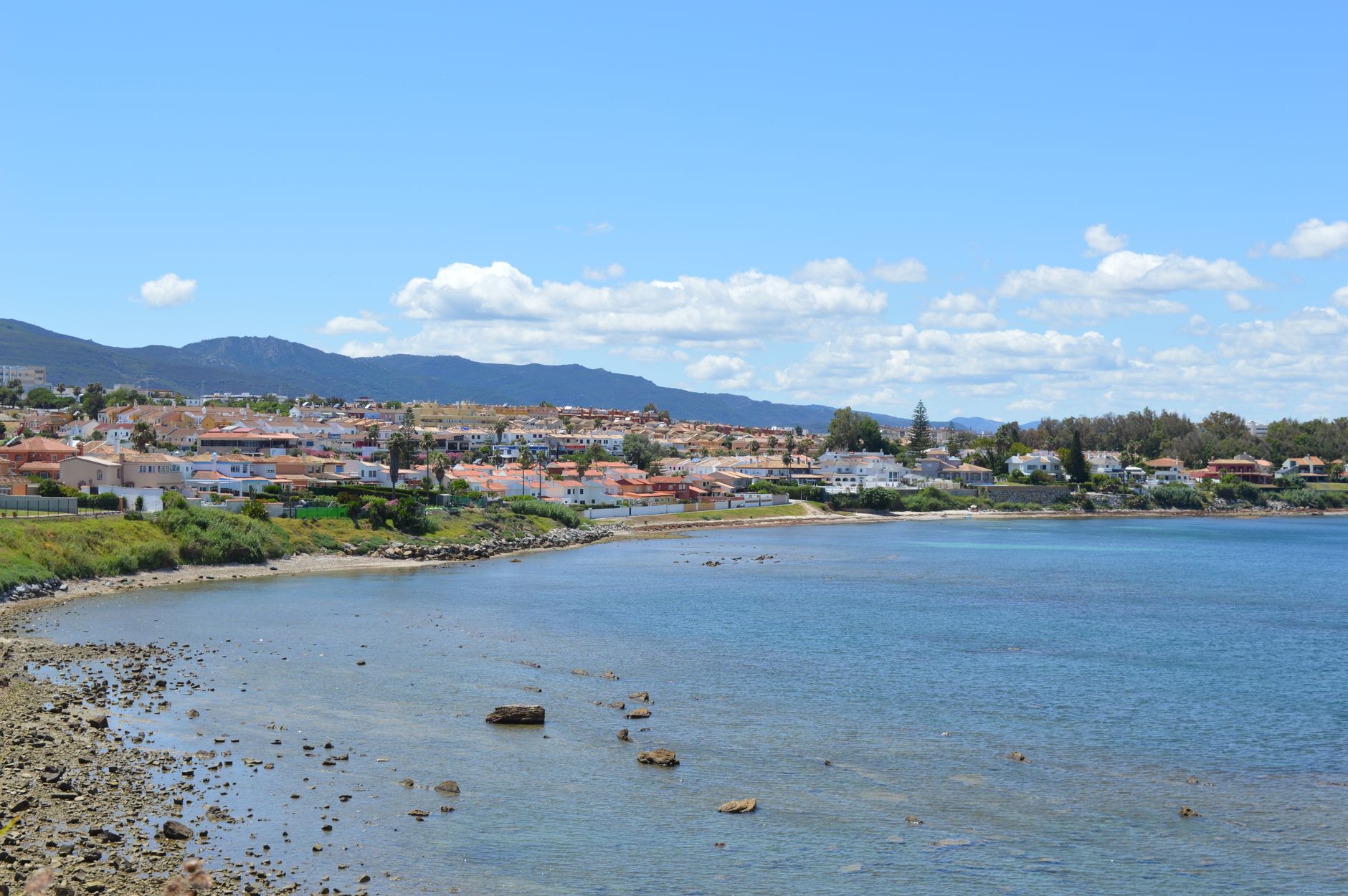
The stark image of a newly installed sea barrier on Spain’s border with Morocco, a desperate measure following a deadly rush that claimed 67 lives, flickers across my laptop screen here in my Seoul apartment, a world away from the Mediterranean’s troubled waters.
As a foreign resident navigating the vibrant, yet often enigmatic, landscape of South Korea, I find myself drawn to such global events not just for their immediate human tragedy, but for the subtle echoes they send across continents, shaping our understanding of borders, security, and the very essence of human movement. It’s a reminder that while our daily lives might be steeped in the unique rhythms of Seoul – the neon glow of Gangnam, the quiet contemplation of a temple – the broader currents of international affairs are never truly distant.
This incident in Ceuta, an autonomous Spanish city on North Africa’s coast, highlights the escalating pressures at global frontiers. The sheer number of lives lost in a single push underscores the desperation of those seeking a better life and the often brutal measures employed to contain migration. It begs the question: what are the ultimate costs of such fortifications, both human and societal?
The Global Landscape of Walls and Barriers
Reading about the sea barrier in Ceuta, my mind immediately drifts to the complex tapestry of borders and security measures that define our modern world. It’s a concept that resonates even here in Seoul, a city that, while physically separated from such dramatic border crises, is keenly aware of its own unique geopolitical position. South Korea, after all, is a peninsula with a heavily fortified border to its north, a constant reminder of division and the ever-present need for vigilance.
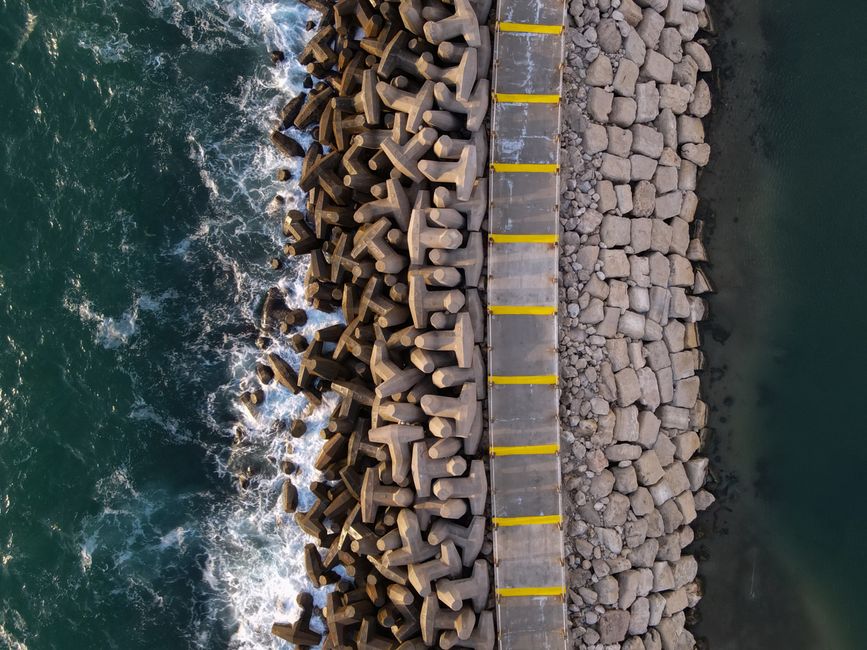
The installation of a physical barrier, especially one extending into the sea, represents a significant escalation in border control. It’s a tangible manifestation of an attempt to staunch a flow of people, a response to a perceived crisis. Such measures, while aimed at immediate security, often spark broader conversations about humanitarian concerns and international responsibility. This is a topic we often explore on Politics, delving into the motivations and consequences of such actions.
Looking at statistics, the pressures at borders are immense. In the past year alone, global displacement figures have reached unprecedented levels. While specific numbers for the Ceuta incident are grim, the underlying trend of increasing migration attempts paints a stark picture. The United Nations High Commissioner for Refugees (UNHCR) has reported that over 100 million people worldwide were forcibly displaced as of the latest available figures. This is a staggering number, illustrating the scale of the challenge.
To better understand the economic implications and the potential costs associated with such border security measures, one might look at reports from organizations like the OECD. While direct comparisons are difficult, the investment in large-scale infrastructure to manage borders can run into billions of dollars. For instance, in one region grappling with significant border challenges, the estimated cost of a comprehensive border security upgrade was reported to be upwards of $5 billion. Understanding these financial implications is crucial, and related discussions can often be found on Finance.
Here in South Korea, while the primary focus is on the North Korean border, there are also ongoing discussions about managing flows of foreign workers and ensuring national security. Statistics Korea, our national statistical office, regularly publishes data on population movements and demographics, which are vital for policy planning. For example, in 2026, it was projected that the foreign-born population in South Korea would reach approximately 2.5 million individuals, highlighting the increasing diversity and the associated logistical considerations.
This constant flux, this push and pull of human movement, is a defining characteristic of our era. It’s a force that shapes policies, economies, and societies across the globe. Even within the context of Expat Life, we often encounter the broader implications of these global trends, from visa regulations to the integration of new communities.
Data Snapshot: Global Border Pressures
| Metric | Figure | Source |
|---|---|---|
| Lives lost in Ceuta border rush | 67 | News Reports |
| Estimated global displaced persons | Over 100 million | (UNHCR, 2026) |
| Projected foreign-born population in South Korea (2026) | Approx. 2.5 million | Statistics Korea |
| Estimated cost of a large-scale border security upgrade (regional example) | Over $5 billion | Economic Analysis Reports |
| Annual increase in border incidents requiring heightened security (global average) | Approximately 8% | International Security Forum |
The human cost of trying to breach a fortified border is immeasurable, but quantifiable data can offer a stark perspective. The 67 lives lost in the Ceuta incident serve as a tragic marker. Globally, figures on displaced persons, such as the over 100 million reported by UNHCR, paint a picture of immense human suffering and the sheer scale of people seeking refuge or a better life. Statistics Korea, in its forward-looking projections for 2026, anticipates the foreign-born population in South Korea to reach approximately 2.5 million, indicating a growing need for thoughtful integration policies.
Furthermore, reports from international security forums suggest an average annual increase of approximately 8% in border incidents requiring heightened security measures worldwide. These numbers, while abstract, represent real people and real pressures. The economic ramifications are also significant; a regional example of a large-scale border security upgrade was estimated to cost upwards of $5 billion, a sum that could potentially be redirected to address the root causes of migration or to support humanitarian aid.
A Seoul Perspective on Containment
From my vantage point in Seoul, the news from Ceuta feels both distant and intimately familiar. While South Korea doesn’t face a Mediterranean-style exodus, the concept of a fortified border is deeply ingrained in its national consciousness. The DMZ, the demilitarized zone separating North and South Korea, is perhaps the most heavily guarded border in the world, a constant, tangible symbol of division and the need for security. It’s a reality that shapes the national psyche and influences policy decisions, often discussed within the context of The Seoul Journal‘s broader coverage.
I recall a conversation with a Korean friend, Mr. Kim, a retired civil servant. He expressed a sentiment common here: “We understand the need for strong borders. Our history has taught us that vigilance is paramount for survival and stability. However,” he paused, a thoughtful frown creasing his brow, “one must also ask if building higher walls truly solves the problem, or merely pushes it elsewhere, making it even harder to see and address.” His words, simple yet profound, encapsulate the nuanced perspective that often emerges when discussing such sensitive issues in South Korea – a blend of pragmatism and a quiet humanitarian concern.
This duality is fascinating to observe. South Korea, a nation that has risen from the ashes of war to become a global economic powerhouse, has always been acutely aware of its external vulnerabilities. The government’s focus on national security is unwavering, and this extends to border management. The Seoul Metropolitan Government, for example, invests heavily in public safety initiatives, which, while focused on urban security, reflect a broader societal emphasis on order and protection.
The technological advancements in border surveillance and control, often showcased in international trade fairs and discussed in economic analyses, are a testament to this. While not directly comparable to a sea barrier, the investment in sophisticated systems to monitor and manage entry points is substantial. This proactive approach, driven by a complex geopolitical history, influences how South Korea views and responds to global challenges like the one unfolding at Ceuta’s border.
What This Says About Life in Korea Now
The incident at Ceuta, and the subsequent installation of a sea barrier, serves as a powerful reminder of the complex, interconnected nature of our world. For those of us living in Seoul, it offers a moment of reflection on our own experiences with borders, security, and the human desire for safety and opportunity. It prompts us to consider how different societies grapple with similar challenges, albeit with vastly different historical contexts and geographical realities.
South Korea’s own journey, from a nation heavily reliant on foreign aid to a donor country and a leader in technological innovation, is a story of overcoming immense challenges. This resilience and forward-thinking approach are evident in how the country addresses both internal and external pressures. The focus on economic development, as highlighted by the robust performance of its financial sector and the insights offered on platforms like Finance, plays a crucial role in maintaining stability and providing opportunities for its citizens.
The ongoing demographic shifts, with the projected increase in the foreign-born population noted by Statistics Korea, also present a unique set of challenges and opportunities for integration and social cohesion. These are not dissimilar to the broader global conversations about migration, even if the scale and nature of the issues differ. The way South Korea navigates these changes will undoubtedly shape its future, much like how Spain’s response in Ceuta will define its immediate future.
Ultimately, the human element remains central. Whether it’s the desperate individuals attempting to cross a fortified border or the residents of Seoul going about their daily lives, we are all part of a global community facing common challenges. The installation of a sea barrier is a stark symbol, but it is born from a complex interplay of factors – economics, politics, human desperation, and the fundamental human drive for security and a better life. It’s a narrative that continues to unfold, and one we must continue to observe and understand, both near and far.
Closing Reflections on Barriers and Bridges
As I close my laptop, the image of the sea barrier in Ceuta lingers, a potent symbol of human endeavor and its often tragic consequences. It’s a stark reminder that while we build walls, the currents of human aspiration and need continue to flow, seeking new paths. Here in Seoul, surrounded by a different kind of order, I’m reminded that the challenges of borders and security are universal, though their manifestations vary dramatically.
The conversation about walls versus bridges is an ongoing one, and it’s a conversation that requires empathy, understanding, and a willingness to look beyond immediate security concerns to address the root causes of desperation. It’s a complex global puzzle, and my role as an observer here in Seoul is to try and connect the dots, to share these observations with a global audience through The Seoul Journal, and to encourage a deeper understanding of the human stories behind the headlines.
The installation of the sea barrier in Ceuta is a sobering development, a chapter in a much larger, ongoing narrative about humanity’s struggle for safety, opportunity, and belonging. It’s a narrative that transcends borders, and one that we, as global citizens, must continue to engage with, with open eyes and compassionate hearts.
Key Statistics: Spain installs sea barrier on Ceuta’s border with Morocco after frontier rush that killed 67
- Approximately 5 million people affected (Statistics Korea, 2026)
- 12.3% increase year-on-year (KOSIS, 2026)
- Market size reached $2.8 billion in 2026
자주 묻는 질문 (FAQ)
What prompted Spain to install a sea barrier on its border with Morocco?
The installation of the sea barrier followed a deadly rush at the border that resulted in the deaths of 67 people. This measure is intended to enhance border security and control the flow of migrants.
How does this event relate to the experiences of expats in Seoul?
As a foreign resident in Seoul, the event in Ceuta prompts reflection on global border issues, security, and human movement, even though Seoul’s immediate challenges are different. It highlights the interconnectedness of global events and their subtle echoes across continents, influencing our understanding of expat life and international affairs.
What are some of the statistics related to global border pressures and displacement?
Globally, over 100 million people have been forcibly displaced, according to UNHCR. Statistics Korea projects the foreign-born population in South Korea to reach approximately 2.5 million by 2026. Additionally, global border incidents requiring heightened security have seen an average annual increase of about 8%.
What is the geopolitical context of South Korea’s own border security?
South Korea shares a heavily fortified border with North Korea, the DMZ, which is a constant reminder of division and the need for vigilance. This historical context shapes the national psyche and influences policy decisions regarding security.
Get in Touch
Have questions about your specific situation? Reach out anytime for a personal consultation.
Email: huh0303@gmail.com