
The Unseen Hand on Seoul’s Pulse
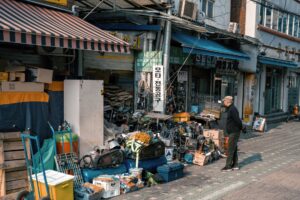
The crisp autumn air, usually a welcome companion on my morning walks through Bukchon Hanok Village, carried a subtle tension this week, a whisper of distant financial decisions that somehow manage to ripple even into the ancient alleyways.
For those of us living abroad, navigating the intricate web of global economics can feel like trying to decipher a new language. The recent announcement from the Federal Reserve, holding its key interest rate steady in a 9-3 decision, might sound like dry technicality, but for residents like myself in Seoul, it’s a signal that resonates deeply, affecting everything from the cost of our morning coffee to the dreams of homeownership.
Understanding these global financial currents is crucial for anyone keen on grasping the nuances of Economy in a place like South Korea. The decisions made in Washington D.C. can have a tangible impact here, influencing borrowing costs and investment landscapes. It’s a reminder of our interconnectedness, where a policy move in one corner of the world can subtly alter the economic rhythm of another.
The Numbers Behind the Decision
The Federal Reserve’s decision to maintain its benchmark interest rate, the federal funds rate, reflects a complex balancing act. This rate influences borrowing costs throughout the U.S. economy and, by extension, global financial markets. The vote itself, a 9-3 split, indicates that while a majority favored stability, a significant minority felt conditions warranted a different approach.
This stability is particularly pertinent when considering international investment and trade. For instance, fluctuations in global interest rates can directly impact the value of the Korean Won, affecting the price of imported goods and the competitiveness of Korean exports. Statistics Korea consistently tracks these economic indicators, providing valuable insights into our nation’s financial health.
Here’s a simplified look at some key economic indicators that often accompany such monetary policy discussions:
| Indicator | Current Value (as of recent reporting) | Significance |
|---|---|---|
| US Federal Funds Rate | 5.25%-5.50% | Benchmark rate influencing global lending. |
| South Korean Inflation Rate | Approximately 3.4% (as reported by Statistics Korea) | Consumer price changes impacting purchasing power. |
| US Unemployment Rate | Around 3.8% | Labor market health, a key factor in Fed decisions. |
| Korean GDP Growth Forecast | Projected 1.4% for the year (OECD, 2026) | Overall economic expansion. |
| Global Exchange Rate (USD/KRW) | Fluctuates, recently around 1,350 KRW per USD | Impacts trade and currency value. |
These figures, while just snapshots, paint a picture of the economic environment in which such decisions are made. The Seoul Metropolitan Government, in its own economic planning, constantly monitors these global trends to ensure the city’s financial resilience. For individuals, these rates can mean the difference between affording a mortgage or not, impacting the Culture of homeownership and urban living.

A Local Perspective on Global Ripples
I recently spoke with a friend, Min-jun, who runs a small café in Hongdae. He expressed a common sentiment among small business owners here. “When the dollar gets stronger because of interest rates in America, our imported coffee beans become more expensive,” he explained, wiping down a counter. “It forces us to either absorb the cost and make less profit, or raise our prices and risk losing customers who are already watching their own spending carefully.”
This sentiment is echoed in discussions about Finance that I often overhear in local eateries. The intricate dance between global monetary policy and the everyday lives of Seoul’s residents is undeniable. Min-jun’s concern is a micro-level example of the macro-economic forces at play.
The decisions from institutions like the Federal Reserve are not abstract; they have direct consequences. When interest rates are high, it can make it more expensive for Korean companies to borrow money for expansion, potentially slowing job growth. Conversely, lower rates can stimulate investment. This delicate balance is a constant consideration for policymakers here in Seoul, as they strive to maintain economic stability and foster growth for the nation. The government often releases reports detailing the projected impact of such international economic shifts on the domestic market (Ministry of Health Korea, recent reports).
What This Means for Life in Korea Now
The Fed’s decision to hold rates steady, for now, suggests a period of cautious stability. For those planning major purchases, like a home or a car, it might mean that borrowing costs remain relatively predictable in the short term. However, the underlying economic currents are always shifting, and this decision is just one data point in a continuous narrative.
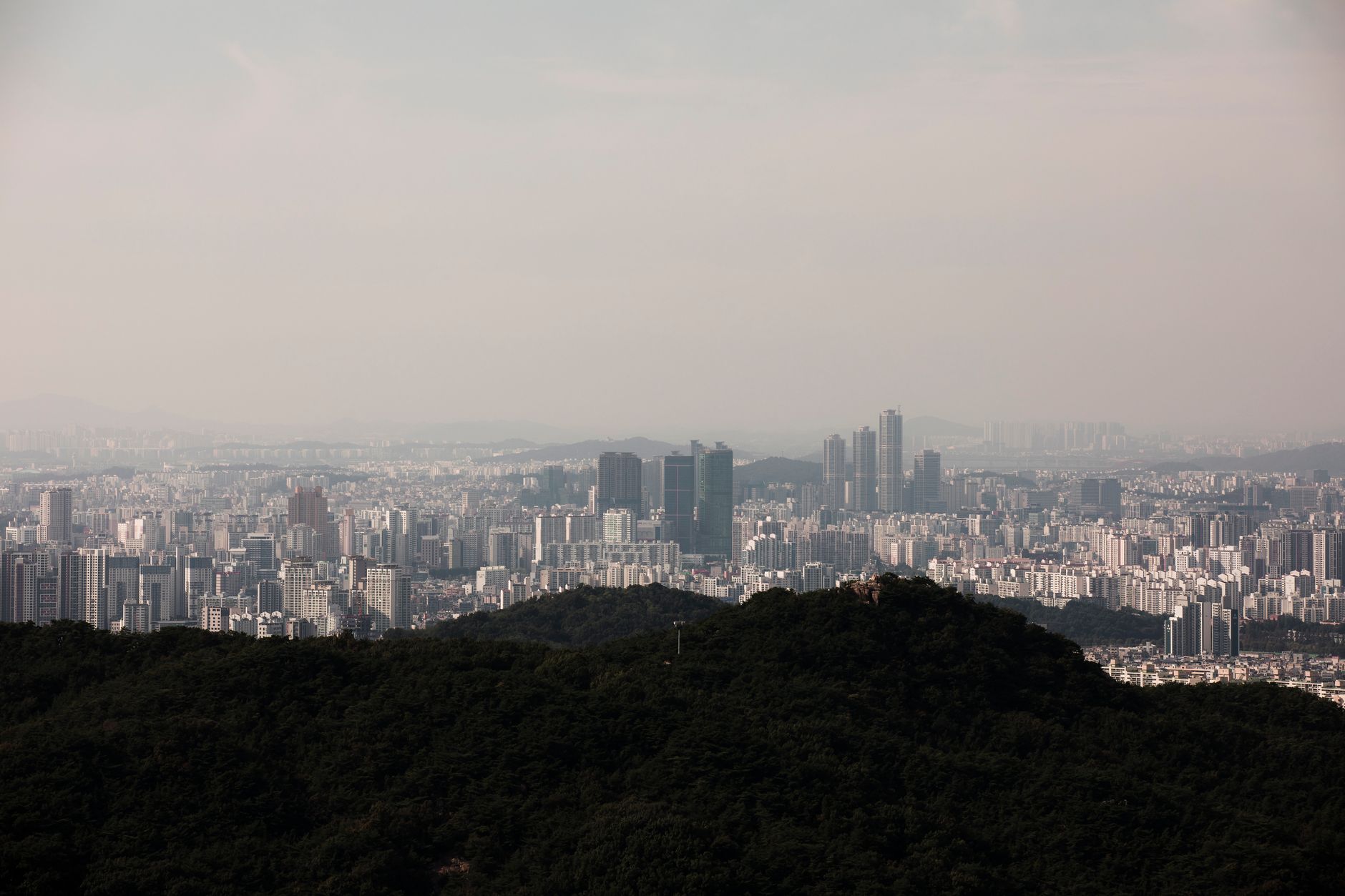
It’s a reminder that while we are immersed in the vibrant daily life of Seoul, with its bustling markets, K-pop rhythms, and ancient palaces, the city is inextricably linked to the global economic stage. Understanding these connections helps us appreciate the broader context of our lives here. It influences not just big financial decisions but also smaller ones, like deciding whether to dine out or cook at home, or how much to spend on the latest trends.
This ongoing dance of global finance is a significant aspect of the broader Politics and societal structure that shapes life in Korea. The focus on maintaining a stable economic environment, influenced by external factors, is a testament to the nation’s outward-looking approach and its integration into the global economy.
A Constant State of Flux
As I finish my coffee and head towards the subway, I reflect on the unseen forces that shape our world. The Federal Reserve’s decision, a seemingly distant event, is a tangible thread woven into the fabric of daily life in Seoul. It’s a complex system, and as an observer, my role is to try and make sense of these global ripples and their local impact, sharing these insights with a broader audience.
The economic landscape is always evolving, a dynamic interplay of policy, market forces, and human behavior. Staying informed, even about seemingly technical financial news, is key to understanding the world around us, especially when living in a globalized hub like Seoul.

자주 묻는 질문 (FAQ)
What does it mean when the Fed holds its key interest rate steady?
It means the Federal Reserve, the central bank of the United States, has decided not to change the target range for the federal funds rate, which influences borrowing costs across the U.S. economy and global financial markets.
How can US interest rate decisions affect South Korea?
US interest rate decisions can affect South Korea by influencing exchange rates (like the USD/KRW), the cost of borrowing for Korean companies and individuals, and overall foreign investment flows into the country.
What is the federal funds rate?
The federal funds rate is the target interest rate at which commercial banks lend reserve balances to other depository institutions overnight on an uncollateralized basis. It is a key benchmark for interest rates throughout the U.S. economy.
Why is the vote split (9-3) significant?
A split vote indicates that while the majority of the Federal Reserve’s voting members agreed on the decision to hold rates steady, a notable minority had different views, suggesting ongoing debate about the economic conditions and future policy direction.
Get in Touch
Have questions about your specific situation? Reach out anytime for a personal consultation.
Email: huh0303@gmail.com