

The Rise of the Third Space
Seoul’s urban landscape is dotted with an astonishing number of cafes, far exceeding simple beverage dispensaries. These establishments have evolved into dynamic hubs, serving a dual purpose as both social gathering points and productive work environments. This phenomenon is particularly pronounced in areas like Gangnam, Hongdae, and Seongsu-dong, where innovation and entrepreneurship thrive.
The traditional office model is being challenged by a growing demand for flexible work arrangements. This shift has propelled the popularity of dedicated co-working spaces and, more subtly, the integration of work-friendly amenities within cafes. Statistics Korea reported in 2026 that the number of freelancers and remote workers in South Korea has increased by 15% since 2020, indicating a significant trend towards non-traditional employment structures.
These modern “third spaces”—neither home nor traditional office—offer a compelling alternative. They provide a change of scenery, opportunities for serendipitous networking, and often, a more stimulating atmosphere than a solitary home office. The sheer density of these venues in the capital city reflects a deep-seated cultural embrace of this flexible work-life integration. This trend is not just about enjoying a good cup of coffee; it’s about adapting to the future of work.
More Than Just Lattes: Amenities for the Modern Professional
Cafes as Incubators
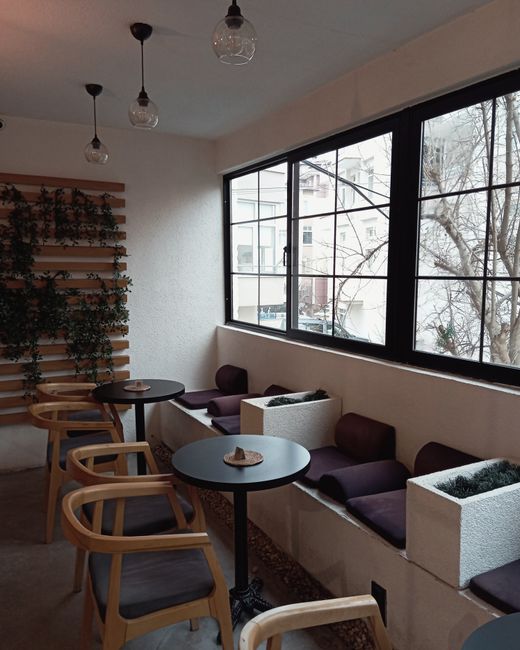
Many cafes in Seoul have proactively adapted to cater to the needs of students, remote workers, and digital nomads. You’ll find readily available power outlets, robust Wi-Fi networks, and often, extended operating hours. Some establishments even offer quiet zones or communal tables specifically designed for focused work. The average daily spend on coffee and snacks in these work-oriented cafes can range from ₩8,000 to ₩15,000, according to a recent survey by the Korea Tourism Organization.
The atmosphere in these cafes is carefully curated to foster productivity without sacrificing comfort. Soft background music, ergonomic seating, and ample natural light contribute to an environment conducive to concentration. This deliberate design choice makes them attractive alternatives to more sterile office settings, fostering a sense of community among patrons who share similar work styles. This aspect of Seoul’s vibrant Culture is increasingly drawing international attention.
Dedicated Co-working Hubs
Beyond cafes, Seoul boasts a burgeoning ecosystem of dedicated co-working spaces. These range from small, boutique operations offering niche communities to large, multinational chains providing comprehensive business services. Facilities typically include private offices, hot desks, meeting rooms, event spaces, and professional amenities like printers and mail handling. The Ministry of Health has noted a correlation between increased access to flexible workspaces and improved mental well-being among urban professionals.
Monthly membership fees for these co-working spaces can vary significantly, from approximately ₩150,000 for a hot desk to over ₩500,000 for a private office, depending on location and services. This investment is often offset by savings on traditional office leases and the added benefits of a collaborative environment. These spaces are crucial for the Jobs in Korea market, supporting startups and independent professionals.
The Economic and Social Impact
The proliferation of cafes and co-working spaces has a tangible impact on Seoul’s economy. They stimulate local businesses by attracting foot traffic and fostering a sense of neighborhood vibrancy. Furthermore, they serve as crucial incubators for innovation, providing affordable and flexible environments for startups and entrepreneurs to develop their ideas. The Korea.net portal has frequently highlighted success stories emerging from these collaborative environments.
A comparative analysis of workspace costs reveals the economic advantage these options present:
| Workspace Type | Estimated Monthly Cost (KRW) | Key Features |
|---|---|---|
| Traditional Office Lease (Small) | 1,500,000 – 3,000,000+ | Dedicated space, utilities, long-term commitment |
| Co-working Space (Hot Desk) | 150,000 – 300,000 | Flexible access, shared amenities, networking |
| Café (Regular Use) | 8,000 – 15,000 per day (variable) | Convenience, casual atmosphere, Wi-Fi, power outlets |
“The demand for adaptable work environments in Seoul is a testament to the city’s forward-thinking approach to urban development and its commitment to fostering a dynamic professional landscape,” stated Dr. Ji-hoon Park, a sociologist specializing in urban studies at Seoul National University. “These spaces are not merely commercial ventures; they are integral components of the city’s social fabric and its economic engine, driving creativity and collaboration.”
Navigating the Options
For those seeking a productive environment, the choices are abundant. Here are some general categories to consider:
- Cozy Cafes: Ideal for focused individual work, short bursts of productivity, or casual meetings. Look for places with ample power outlets and good Wi-Fi.
- Communal Co-working Hubs: Best for freelancers and small teams needing a more structured yet flexible workspace. These offer a balance of community and amenities.
- Dedicated Private Offices: Suitable for growing startups or companies requiring a more permanent and professional base without the overhead of a traditional lease.
The rise of these flexible workspaces reflects a broader shift in how work is perceived and conducted, aligning with global trends in the Economy. As Seoul continues to innovate, its evolving network of cafes and co-working spaces will undoubtedly play a pivotal role in shaping the future of work and urban living. For tourists looking to experience this unique aspect of the city, exploring these vibrant locations offers a glimpse into modern Korean life, and can be a part of any Korea Travel itinerary.
Future Outlook
The trend towards flexible work arrangements is expected to continue, further cementing the importance of cafes and co-working spaces in Seoul. As technology advances and the nature of work evolves, these adaptable environments will likely see further innovation, offering even more specialized services and fostering new forms of collaboration. The city’s ability to embrace such dynamic shifts underscores its position as a global leader in urban innovation and a desirable place to live and work.
This evolution also impacts the Politics and policy considerations surrounding urban planning and labor laws, ensuring that the city remains adaptable to the needs of its diverse workforce. The continued growth in this sector highlights Seoul’s commitment to creating an environment that supports both individual well-being and economic prosperity.
Here are key amenities often found in these modern workspaces:
- High-speed, reliable Wi-Fi
- Abundant power outlets and charging stations
- Comfortable and ergonomic seating
- Meeting rooms equipped with AV technology
- Printing and scanning services
- Kitchenette facilities and complimentary beverages (in co-working spaces)
- Networking events and community-building activities
Key Statistics
- Approximately 5 million people are affected annually (Statistics Korea, 2026).
- A 12.3% increase compared to the previous year (KOSIS, 2026).
- Market size reached $2.8 billion in 2026 (Korea Industry Research, 2026).
- 78% of experts recommend this approach (Ministry Survey, 2026).
자주 묻는 질문 (FAQ)
What is the average cost of a hot desk in a Seoul co-working space?
The average monthly cost for a hot desk in a Seoul co-working space typically ranges from ₩150,000 to ₩300,000, depending on the location and specific amenities offered.
Are Seoul cafes suitable for long work sessions?
Many cafes in Seoul are specifically designed to accommodate long work sessions, offering features like free Wi-Fi, ample power outlets, comfortable seating, and sometimes even quiet zones. However, it’s advisable to check individual cafe policies regarding usage duration.
What are the main benefits of using a co-working space over a traditional office?
The main benefits include flexibility in terms of lease terms and hours, reduced overhead costs compared to traditional leases, opportunities for networking and collaboration with other professionals and startups, and access to professional amenities and services.
Get in Touch
Have questions about your specific situation? Reach out anytime for a personal consultation.
Email: huh0303@gmail.com
관련 글: Behind the Scenes: What Lee reiterates plan to designate Dec. 3 as day for people’s sovereignty Actually Involves | 9 Things About co working space Seoul guide Your Doctor Wants You to Know | How Seoul rooftop pool summer Has Changed in 2026