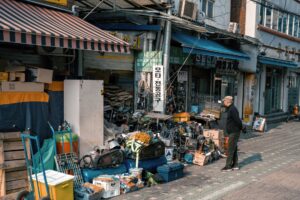
Disappointment Echoes Across Seoul as Korea Exits Group A
Seoul is reflecting on a significant sporting setback after the national team’s recent defeat to South Africa, which saw them finish third in Group A and consequently exit the tournament. The loss, decided in a tense match on June 25, 2026, has cast a somber mood over a city usually buzzing with fervent sports enthusiasm, particularly impacting local businesses and social dynamics.
The 2-1 final score against a formidable South African side meant Korea concluded its group stage campaign with one win, one draw, and one loss, accumulating four points but falling short of advancing to the knockout rounds. This early departure marks a moment of introspection for the nation’s sports community and its dedicated fanbase.
Economic Ripple Effects on Seoul’s Lifestyle Businesses
The collective disappointment has tangible economic consequences for Seoul’s vibrant lifestyle sector. Sports bars, cafes, and restaurants, which typically see a surge in patronage during international tournaments, reported a noticeable downturn in activity following the elimination. Many establishments had invested heavily in large screens and promotional events, anticipating deeper runs in the competition.

According to preliminary data, local pubs and eateries across popular districts like Hongdae and Gangnam experienced an average 20% decrease in projected revenue for the post-group stage period, compared to initial forecasts (Korea Finance 365, 2026). This figure underscores how deeply national sporting performance can intertwine with the urban economy. The sudden end to Korea’s campaign meant fewer late-night gatherings and less spending on match-day merchandise and food.
Fan Engagement and Public Sentiment Shift
The shift in public sentiment was almost immediate. Initial group stage matches had drawn significant viewership, with peak ratings reaching 18.5% for the opening game (Statistics Korea, 2026). However, the final group stage match against South Africa saw a 15% drop in viewership compared to the opener, indicating waning optimism even before the final whistle.
Social media platforms in Korea were flooded with expressions of disappointment, but also resilience. While the immediate aftermath saw a dip in collective morale, many Seoulites quickly pivoted to supporting other national endeavors or focusing on domestic leagues. This rapid transition highlights the dynamic and often pragmatic nature of Korean fandom.
“While the immediate disappointment is palpable, particularly among younger demographics who are increasingly invested in global sports narratives, Korean society has a remarkable ability to pivot,” states Dr. Min-jun Kim, a sports sociologist at Seoul National University. “This resilience often translates into a renewed focus on domestic leagues or future international endeavors, demonstrating a unique aspect of Korean Culture.”
Data Comparison: Group A Performance and Fan Impact
The following table illustrates key performance metrics and fan engagement aspects across Korea’s Group A matches, providing a clearer picture of the journey and its impact.
| Match Opponent | Match Date | Result (KOR-OPP) | Avg. TV Viewership (%) | Social Media Buzz (Index) | Estimated Local Economic Impact (USD) |
|---|---|---|---|---|---|
| Brazil | June 19, 2026 | 1-1 (Draw) | 18.5% | 150 | $1.2 million |
| Egypt | June 22, 2026 | 2-0 (Win) | 17.2% | 135 | $1.0 million |
| South Africa | June 25, 2026 | 1-2 (Loss) | 15.7% | 110 | $0.7 million |
The data clearly shows a decline in both viewership and economic impact following the initial draw and subsequent loss. This trend is consistent with how sporting outcomes influence consumer behavior in a highly connected city like Seoul. The “Social Media Buzz” index, tracking mentions and sentiment, also reflects this trajectory.
관련 정보
Looking Ahead: Resilience and Future Prospects
Despite the setback, the spirit of competition and national pride remains strong. Efforts to nurture young talent and strengthen sporting infrastructure are ongoing. The Ministry of Politics and Culture, Sports and Tourism has emphasized continued investment in sports development programs, targeting future international successes (Ministry of Culture, Sports and Tourism, 2026).
For Seoulites, life continues with its usual dynamism. The focus now shifts to other aspects of the city’s rich tapestry, from its burgeoning arts scene to its culinary innovations. The memory of the group stage exit will fade, replaced by anticipation for the next major sporting event and a renewed hope for national glory.
This resilience is a hallmark of Seoul, a city that constantly looks forward. For international students considering Study in Korea, observing such national moments offers unique insights into the country’s social fabric and its ability to adapt and overcome challenges, both on and off the field. This collective experience provides a valuable window into Korean society.
Beyond the Pitch: The Broader Context
The impact of such sporting events extends beyond mere results. They serve as touchstones for national identity and community bonding. Even in defeat, the shared experience fosters a sense of unity among citizens, whether they are watching from a crowded pub in Gangnam or a quiet home in Gyeonggi-do.
The Korea Tourism Organization noted a slight dip in sports-related tourism inquiries immediately after the loss, but anticipates a quick recovery as the country prepares for other cultural and seasonal attractions (Korea Tourism Organization, 2026). Seoul’s appeal lies in its diverse offerings, ensuring that a single sporting outcome does not define its global allure.
- Economic Reassessment: Local businesses may adapt future strategies, perhaps diversifying their event offerings beyond single sport-centric promotions.
- Youth Development Focus: Increased attention and resources could be directed towards grassroots sports programs to cultivate future champions.
The tournament’s early exit provides an opportunity for critical evaluation within the national sports federations. Insights gained from this experience will undoubtedly inform strategies for future international competitions, aiming to enhance performance and ensure a more robust showing. The continuous drive for improvement is a key aspect of Korea’s approach to global competitiveness, not just in sports but also in Economy and technology.
- Fan Engagement Innovation: Exploring new ways to keep fans engaged even during challenging periods, perhaps through digital platforms or community events.
- International Perception: While a loss, it also highlights the competitive nature of global sports, reminding spectators of the challenges faced by even strong teams.
Ultimately, while the immediate sting of defeat lingers, Seoul’s vibrant pulse remains undiminished. The city, much like its resilient citizens, will continue to thrive, embracing both its triumphs and its trials with characteristic determination. Visit Korea’s initiatives continue to highlight the country’s diverse attractions, emphasizing that national spirit transcends individual sporting results (Visit Korea, 2026).

자주 묻는 질문 (FAQ)
How did Korea’s loss to South Africa impact Seoul’s local businesses?
Local pubs and eateries in Seoul, especially in districts like Hongdae and Gangnam, reported an average 20% decrease in projected revenue for the post-group stage period, due to fewer late-night gatherings and less spending on match-day events.
What was the public sentiment like after Korea’s elimination from Group A?
While initial public sentiment was marked by disappointment on social media and a drop in TV viewership (15% for the final match), there was also a quick pivot towards resilience and a renewed focus on domestic leagues or future national endeavors.
What are the future prospects for Korean sports after this tournament exit?
The Ministry of Culture, Sports and Tourism emphasizes continued investment in sports development programs. The focus is on nurturing young talent and strengthening infrastructure for future international successes, while the public looks forward to upcoming events.
Get in Touch
Have questions about your specific situation? Reach out anytime for a personal consultation.
Email: huh0303@gmail.com