
◇ By Rachel Lim
Introduction: A Deepening Bond Across the Seas
The relationship between Malaysia and South Korea, spanning over six decades, is evolving into a comprehensive strategic partnership. What began with diplomatic ties in 1960 has flourished into a vibrant collaboration across economic, cultural, and political spheres, marking a significant chapter in East Asian diplomacy.
As Seoul continues to strengthen its regional engagements, the enduring friendship with Kuala Lumpur stands out as a testament to shared values and mutual respect. This article explores the key dimensions of this powerful alliance, highlighting the areas poised for future growth and collaboration.
The Historical Tapestry: Decades of Diplomatic Relations
Early Foundations and the Look East Policy
The diplomatic bedrock between Malaysia and Korea was laid in 1960, but it truly gained momentum with Malaysia’s “Look East Policy” initiated in 1982. This visionary policy, championed by then-Prime Minister Mahathir Mohamad, encouraged Malaysians to emulate the work ethic and development models of East Asian nations, particularly Japan and Korea.
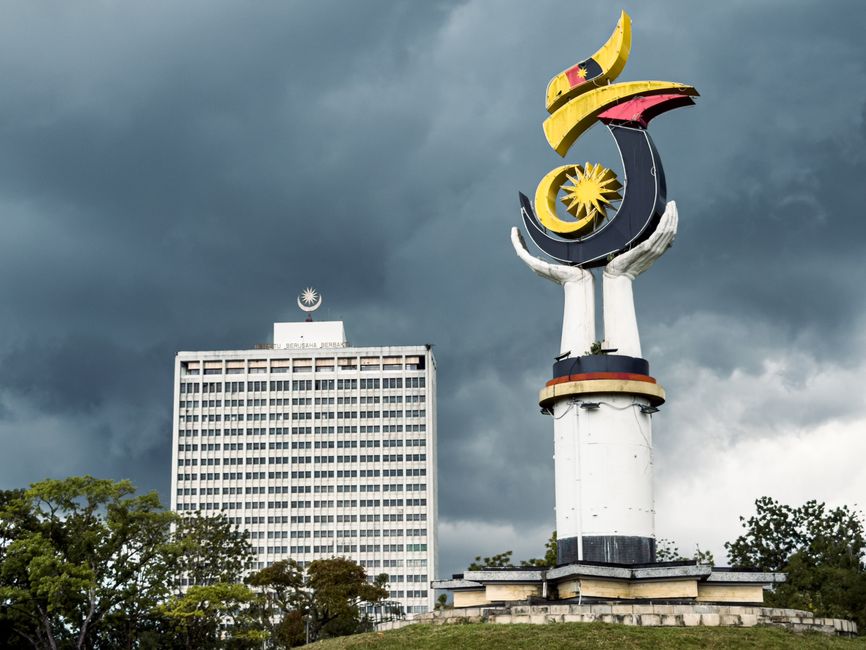
Thousands of Malaysian students and professionals subsequently embarked on educational and training programs in Korea, fostering deep-rooted understanding and goodwill. This initiative not only propelled Malaysia’s industrialization but also cemented a lasting affinity for Korean culture and economic prowess among a generation of Malaysians.
Economic Synergy: A Powerhouse Partnership
Trade and Investment Booming
Economic cooperation remains the bedrock of the Malaysia-Korea relationship. Bilateral trade has consistently shown robust growth, reaching approximately USD 22.3 billion in 2023 (Ministry of International Trade and Industry Malaysia, 2024), making Korea Malaysia’s eighth-largest trading partner globally.
Key exports from Malaysia to Korea include liquefied natural gas, crude oil, and electrical and electronic products, while Korea primarily exports machinery, chemicals, and semiconductors to Malaysia. Foreign Direct Investment (FDI) has also seen significant inflows, with Korean companies investing heavily in Malaysia’s manufacturing, digital economy, and infrastructure sectors.
Specific areas of economic collaboration include:
- Digital Transformation: Joint ventures in AI, big data, and cloud computing, aligning with Malaysia’s “MyDIGITAL” blueprint.
- Green Technology: Collaborations on renewable energy projects, electric vehicle infrastructure, and sustainable urban development.
- Advanced Manufacturing: Investments in semiconductors, electronics, and automotive components, leveraging both nations’ strengths.
Bridging Innovation and Technology
Both nations are committed to driving innovation and embracing the Fourth Industrial Revolution (4IR). Korea’s expertise in R&D, smart cities, and advanced robotics finds fertile ground in Malaysia’s aspirations for technological advancement and economic diversification. The signing of a Memorandum of Understanding on 4IR cooperation in 2021 further solidified this commitment.
A comparison of bilateral trade figures over recent years underscores the growing economic ties:
| Year | Bilateral Trade (USD Billion) | Korean FDI into Malaysia (USD Million) |
|---|---|---|
| 2021 | 19.7 | 750 |
| 2022 | 21.5 | 820 |
| 2023 | 22.3 | 910 |
(Sources: Ministry of International Trade and Industry Malaysia, 2024; Bank Negara Malaysia, 2024)
Cultural Exchange and People-to-People Ties
Hallyu’s Influence and Malaysian Culture in Korea
The “Hallyu” or Korean Wave has profoundly impacted Malaysia, with K-pop, K-drama, and Korean cuisine enjoying immense popularity. This cultural fascination has spurred significant tourism, with approximately 400,000 Malaysian tourists visiting Korea in 2019 prior to the pandemic (Visit Korea, 2020), seeking to experience the vibrant Culture firsthand. Conversely, Malaysian culture, particularly its rich culinary heritage and diverse traditions, is increasingly gaining recognition in Korea.
Initiatives promoting cultural understanding include:
- Annual Malaysia-Korea Cultural Exchange Festivals held in both countries.
- Increased collaboration between film industries and performing arts groups.
- Promoting halal tourism and Malaysian food festivals in Korea.
Educational and Expat Life Opportunities
Educational exchanges continue to thrive, building on the legacy of the Look East Policy. Numerous scholarships and student exchange programs facilitate mobility between universities, fostering a new generation of bilateral ambassadors. The number of Malaysian students pursuing higher education in Korea has steadily grown, reaching over 2,500 students in 2023 (Ministry of Education Korea, 2024).
For expatriates, both countries offer welcoming environments. Platforms like Korea.net and the Seoul Metropolitan Government provide valuable resources for Malaysians living in Korea, from visa information to community events, ensuring a smooth transition and vibrant expat life.
Future Horizons: Strategic Collaboration and Regional Leadership
Addressing Global Challenges Together
Beyond bilateral interests, Malaysia and Korea are increasingly aligning on regional and global issues. Both nations champion multilateralism, free trade, and sustainable development. Discussions often revolve around shared challenges such as climate change, healthcare resilience, and food security. Their collaboration within ASEAN+3 and APEC frameworks contributes significantly to regional Politics and stability.
Dr. Kim Min-joon, a senior researcher at the Korea Institute for International Economic Policy, noted, “Malaysia and Korea share a strategic vision for a resilient and prosperous Indo-Pacific. Their partnership is crucial for regional supply chain stability, especially in critical sectors like semiconductors and renewable energy. We expect to see more joint initiatives on climate action and digital governance in the coming years.”
Digital Transformation and Sustainable Development
The future of the partnership is heavily invested in digital transformation and sustainable development. Korea’s Smart City initiatives, exemplified by projects like Busan Eco-Delta City, serve as a model for Malaysia’s urban planning. There is immense potential for joint research and deployment of smart technologies, from IoT-driven urban management to AI-powered public services.
Furthermore, cooperation in green technology is paramount. Malaysia’s rich biodiversity and renewable energy potential, combined with Korea’s advanced green tech solutions, present a powerful synergy for addressing climate change. This includes collaboration in areas such as:
- Waste-to-energy technologies and circular economy models.
- Development of sustainable infrastructure and eco-tourism.
- Research on carbon capture and storage (CCS) technologies.
Concluding Thoughts: A Model for Regional Partnerships
The relationship between Malaysia and Korea is a dynamic testament to the power of sustained diplomacy, economic cooperation, and cultural understanding. From the foundational “Look East Policy” to contemporary collaborations in AI and green technology, the partnership has consistently evolved, adapting to global shifts and emerging opportunities.
As both nations navigate the complexities of the 21st century, their commitment to mutual growth and shared prosperity provides a compelling model for regional engagement. The next chapter promises even deeper integration, innovation, and a collective effort to build a more sustainable and connected future, reinforcing their status as enduring partners in East Asia and beyond. Stay informed with the Latest News on this and other key regional developments affecting our Economy.

자주 묻는 질문 (FAQ)
What is the “Look East Policy” and how did it impact Malaysia-Korea relations?
The “Look East Policy,” introduced by Malaysia in 1982, encouraged Malaysians to emulate the work ethic and development models of East Asian nations like Korea. It led to thousands of Malaysians studying and training in Korea, fostering strong bilateral ties and contributing to Malaysia’s industrialization.
What are the main economic areas of cooperation between Malaysia and Korea?
The main economic areas include digital transformation (AI, big data), green technology (renewable energy, EVs), and advanced manufacturing (semiconductors, electronics). Bilateral trade reached USD 22.3 billion in 2023.
How has the Korean Wave (Hallyu) influenced Malaysia?
Hallyu has significantly influenced Malaysia, leading to widespread popularity of K-pop, K-drama, and Korean cuisine. This cultural phenomenon has boosted tourism, with hundreds of thousands of Malaysians visiting Korea annually, and enhanced cultural exchange.