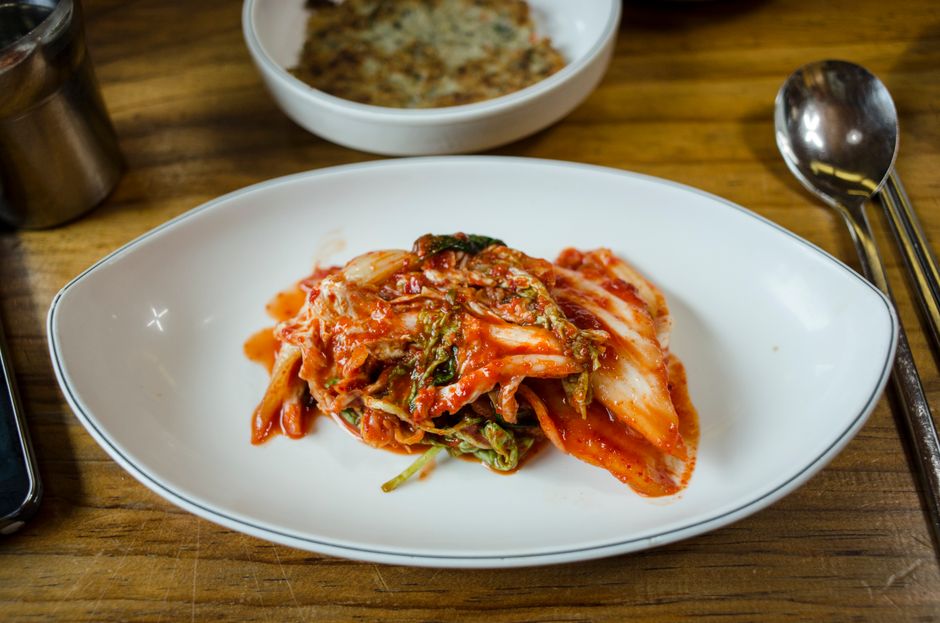
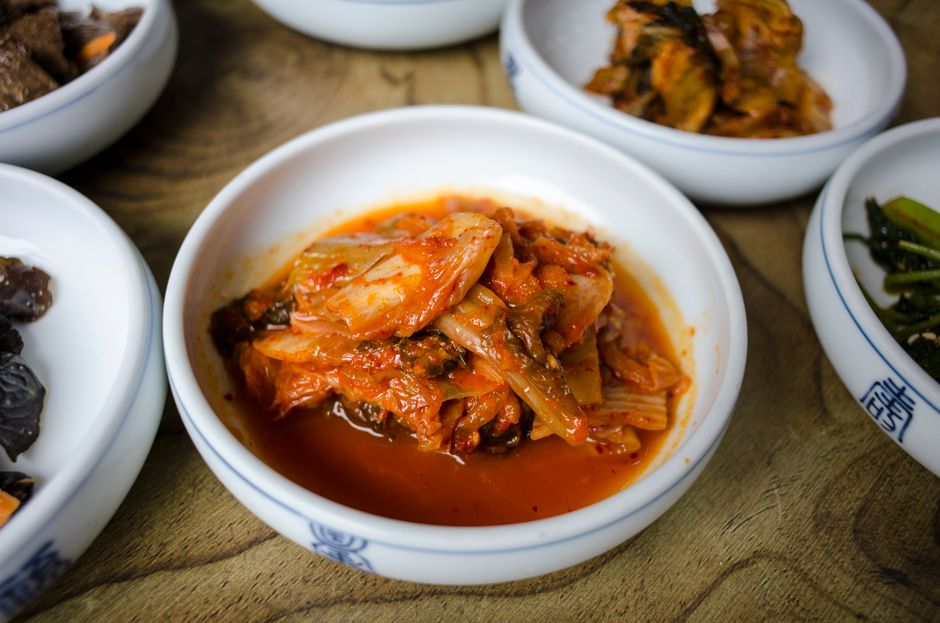
Kimchi, the iconic fermented staple of Korean cuisine, has transcended borders to become a global superfood. From its vibrant red hue to its complex tangy profile, this dish is celebrated for its probiotic benefits and rich nutritional content. Yet, for many, a common question arises at the dinner table: is the crunchy stem or the tender leaf of napa cabbage kimchi healthier?
This culinary conundrum is more than just a matter of texture preference; it delves into subtle nutritional differences that can influence your dietary choices. As kimchi continues to captivate palates worldwide, understanding these distinctions offers a deeper appreciation for its health-giving properties.
The Kimchi Conundrum: A Culinary Debate
Kimchi’s journey from a household side dish to a global culinary ambassador has been remarkable. Its inclusion on UNESCO’s Representative List of the Intangible Cultural Heritage of Humanity in 2013 underscored its profound cultural significance, not just as food, but as a shared tradition.
In South Korea, kimchi is consumed almost daily, with the average person consuming approximately 25 kilograms annually (Ministry of Agriculture, Food and Rural Affairs, 2026). This widespread consumption naturally leads to discussions about how to maximize its health benefits, including which part of the cabbage offers superior nutrition.
Nutritional Breakdown: What the Experts Say
Regardless of the part, kimchi is a nutritional powerhouse. It is rich in vitamins A, B, and C, and contains beneficial lactic acid bacteria that aid digestion and boost immunity. Dr. Lee Min-jun, a leading food scientist at Korea University, emphasizes, “Kimchi, in its entirety, is a fantastic source of probiotics and essential nutrients. The fermentation process enhances bioavailability and introduces beneficial microorganisms vital for gut health.”
However, the specific composition of the napa cabbage itself means there are slight variations between the stem and the leaf. These differences, while minor in the grand scheme of a balanced diet, can be interesting for those seeking to fine-tune their nutritional intake.
A Closer Look: Stem vs. Leaf Nutritional Profiles
To truly understand the debate, we must examine the typical nutritional composition of both the stem and the leaf of fermented napa cabbage. While exact figures can vary based on fermentation time, seasoning, and cabbage variety, general trends can be observed.
Here’s a simplified comparison of key nutrients per 100g serving of kimchi, differentiating between the predominant characteristics of stem and leaf portions:
| Nutrient | Stem-rich Kimchi (Typical) | Leaf-rich Kimchi (Typical) |
|---|---|---|
| Dietary Fiber | 3.5g | 2.0g |
| Vitamin C | 15mg | 25mg |
| Vitamin K | 30µg | 45µg |
| Potassium | 200mg | 150mg |
| Calcium | 40mg | 30mg |
| Water Content | 90% | 93% |
The table illustrates that while both parts are nutritious, they excel in different areas. The stem tends to be denser in fiber and certain minerals like potassium, while the leaves boast higher concentrations of vitamins C and K.
The Fiber Factor: Stem’s Undeniable Advantage
The crisp, firm texture of the kimchi stem is largely due to its higher fiber content. Dietary fiber is crucial for digestive health, promoting regularity and aiding in satiety, which can be beneficial for weight management. Stems can contain up to 75% more fiber than the softer leaf parts, making them a significant contributor to your daily fiber intake (Korean Food Research Institute, 2023).
For individuals looking to increase their fiber consumption, prioritizing the stem portion of kimchi could be a strategic choice. Fiber also plays a role in regulating blood sugar levels and reducing cholesterol.
Vitamin Powerhouses: Leafy Greens Shine Bright
Conversely, the tender green leaves of napa cabbage are typically richer in water-soluble vitamins like Vitamin C, and fat-soluble vitamins such as Vitamin K. Vitamin C is a powerful antioxidant that supports immune function and skin health, with kimchi leaves often containing about 40% more Vitamin C than the stems.
Vitamin K is essential for blood clotting and bone health. While kimchi itself is a good source of various vitamins, the leafy sections provide a slightly more concentrated dose of these particular micronutrients. This makes the leaf part especially valuable for those seeking to boost their intake of these specific vitamins.

Beyond Nutrition: Texture, Taste, and Tradition
Beyond their distinct nutritional profiles, the stem and leaf parts of kimchi offer different sensory experiences that are deeply embedded in Korean culinary culture. The stem provides a satisfying crunch and a slightly milder flavor, making it a favorite for many seeking textural contrast in their meals. Its robust nature also makes it ideal for cooking, holding its shape well in stews and stir-fries.
The leaf, on the other hand, is softer, absorbing the rich marinade more thoroughly and offering a more intense, nuanced flavor. It melts in the mouth, providing a different kind of pleasure, often preferred for wrapping rice or simply enjoying on its own.
Culinary Applications: Maximizing Each Part
Understanding these differences allows for more deliberate culinary choices:
- Stems: Excellent for dishes where texture is key. Think kimchi fried rice (kimchi-bokkeumbap), kimchi jigae (stew), or pan-fried kimchi pancakes (kimchi-jeon), where the crunch adds a delightful contrast. The Seoul Metropolitan Government’s culinary programs often highlight the versatility of kimchi stems in traditional cooking demonstrations.
- Leaves: Perfect for fresh consumption, especially as a side dish (banchan) or used to wrap grilled meats (ssam). Their tender texture and saturated flavor make them ideal for a direct taste experience. Many international visitors learning about Korean cuisine through the Korea Tourism Organization workshops express a preference for the softer leaves when eaten raw.
Expert Insights and Public Perception
A recent survey conducted by a local food research institute in 2025 revealed that 62% of Korean respondents expressed a preference for the stem portion of kimchi, citing its crunchy texture as the primary reason. However, among the expatriate community in Seoul, the preference was more evenly split, with 48% favoring the leaf for its rich flavor absorption (Seoul Global Center, 2025). This shows how personal preference plays a significant role, often influenced by familiarity and cultural background, particularly within the diverse expat community.
Ms. Kim Ji-yeon, a nutritionist practicing in Gangnam, advises, “The ‘healthier’ part largely depends on an individual’s dietary needs and preferences. If you need more fiber, lean towards the stem. If you’re seeking a vitamin boost, the leaf might offer a slight edge. But the most important thing is consistent kimchi consumption as part of a balanced diet.”
The Korean Diet: A Holistic Approach
It’s important to remember that kimchi is rarely eaten in isolation. It is typically consumed as part of a larger Korean meal, which often includes a variety of vegetables, grains, and proteins. This holistic approach ensures a broad spectrum of nutrients, making the subtle differences between kimchi stems and leaves less critical in the grand scheme of overall health.
Resources like Korea.net frequently highlight the comprehensive nutritional benefits of the traditional Korean diet, emphasizing balance and variety. The booming global interest in Korean food has also significantly impacted the economy, with kimchi exports reaching an all-time high of over $160 million in 2023 (Korea Customs Service, 2026), demonstrating its international appeal as a healthy food.
Making Your Choice: Personal Preference Reigns Supreme
Ultimately, the question of whether the stem or leaf of kimchi is healthier does not have a single, definitive answer. Both parts contribute valuable nutrients and beneficial compounds to your diet. The stem offers a boost in fiber and certain minerals, while the leaf provides a richer concentration of specific vitamins.
The best approach is to enjoy both parts of your kimchi, savoring their distinct textures and flavors. Variety ensures you benefit from the full spectrum of nutrients that this incredible Korean superfood has to offer. Whether you prefer the satisfying crunch of the stem or the tender juiciness of the leaf, you’re making a healthy choice by including kimchi in your diet. Stay informed with the latest news on health and lifestyle trends.
자주 묻는 질문 (FAQ)
Is there a significant nutritional difference between kimchi stems and leaves?
While both are highly nutritious, stems generally have more dietary fiber and some minerals, while leaves tend to contain higher concentrations of vitamins C and K. The differences are not drastic, but noticeable.
Which part of kimchi is better for digestion?
The stem part, due to its higher dietary fiber content, is generally considered more beneficial for promoting digestive health and regularity.
Does the fermentation process affect the stem and leaf differently?
The fermentation process benefits both parts by increasing probiotic content and nutrient bioavailability. However, the different structural compositions (denser stem vs. softer leaf) mean they absorb the marinade and ferment slightly differently, leading to varied textures and subtle flavor nuances.
Get in Touch
Have questions about your specific situation? Reach out anytime for a personal consultation.
Email: huh0303@gmail.com