Seoul Hospital Emergency Room Guide: What Nobody Tells You About Navigating Urgent Care as a Foreigner
Navigate Seoul’s emergency rooms with confidence! This guide for foreigners covers preparations, procedures, costs, and top hospitals. Stay safe in Korea.
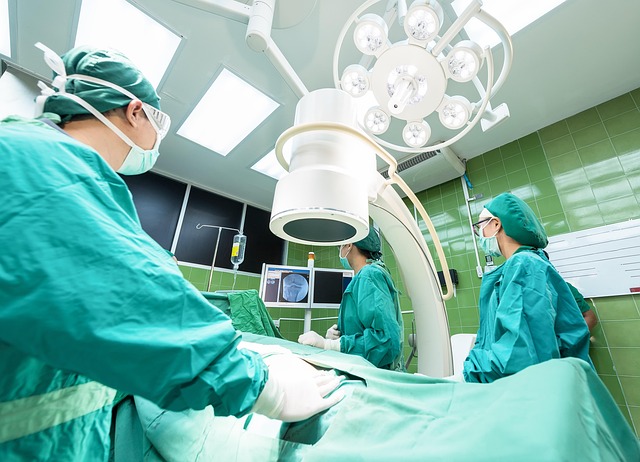
Seoul hospital emergency room guide - Seoul Lifestyle
Seoul Hospital Emergency Room Guide: What Nobody Tells You About Navigating Urgent Care as a Foreigner
Navigating a medical emergency in a foreign country can be an incredibly daunting experience, especially in a bustling metropolis like Seoul. This comprehensive Seoul hospital emergency room guide is designed to demystify the process, offering practical advice and essential information for expatriates, tourists, and long-term residents. Understanding the local healthcare system, knowing what to expect, and having your information prepared can significantly reduce stress and ensure you receive timely and effective care when every second counts. Seoul’s emergency services are highly efficient, but language barriers and procedural differences can pose challenges. This guide aims to equip you with the knowledge needed to confidently access emergency care, transforming a potentially terrifying situation into a manageable one. We will cover everything from identifying the right facility to understanding payment procedures, ensuring you are well-prepared for any unforeseen health crisis.
Understanding Seoul’s Emergency Healthcare Landscape
Seoul boasts a world-class healthcare system, characterized by state-of-the-art facilities and highly skilled medical professionals. The city is home to numerous hospitals, from general clinics to large university medical centers, all equipped to handle various levels of emergency. The crucial first step in any emergency situation is to understand the different tiers of care available and how they operate within the Korean system. It’s not always about finding the biggest hospital, but rather the most appropriate one for your specific needs, particularly for those unfamiliar with the local medical infrastructure. This understanding forms the backbone of an effective Seoul hospital emergency room guide.
Tiers of Emergency Facilities: From Clinics to University Hospitals
In South Korea, emergency care facilities are generally categorized by their capacity and specialization. You’ll find local clinics, general hospitals, and tertiary university hospitals, each playing a distinct role:
- Local Clinics (의원 – Uiwon): These are suitable for minor injuries or illnesses that are not life-threatening. They often have shorter wait times and lower costs but do not offer emergency room services. They are excellent for follow-up appointments or non-urgent primary care.
- General Hospitals (병원 – Byeongwon): These institutions provide a broader range of services, including emergency departments for moderate to severe conditions. They often have specialists on call and can perform diagnostic tests. Many general hospitals in Seoul are well-equipped to handle a wide array of urgent medical needs.
- University Hospitals & Tertiary Medical Centers (상급종합병원 – Sanggeupjonghapbyeongwon): These are the largest and most comprehensive medical facilities, offering highly specialized care, advanced diagnostic tools, and extensive emergency services for critical conditions. They serve as referral centers for complex cases and severe trauma. Institutions like Severance Hospital, Asan Medical Center, and Samsung Medical Center fall into this category. These facilities are often supervised and accredited by the Ministry of Health and Welfare, which ensures adherence to national quality and safety standards. According to the National Health Insurance Service (NHIS), these top-tier hospitals handle a significant percentage of severe emergency cases annually, highlighting their critical role in the public health framework.
Choosing the right facility depends heavily on the severity of your condition. For life-threatening emergencies, calling 119 for an ambulance is always the best option, as they will transport you to the most appropriate hospital based on your condition and proximity. This aspect is vital for any comprehensive Seoul hospital emergency room guide.
Before You Go: Essential Preparations for a Seoul ER Visit
Preparation is key to a smooth emergency room experience, especially in a foreign country. Having essential documents and understanding potential costs beforehand can save valuable time and reduce anxiety during a medical crisis. This proactive approach is a cornerstone of any effective Seoul hospital emergency room guide.
Key Documents and Information to Have Ready
When heading to an emergency room, whether by ambulance or private transport, having the following information readily accessible can expedite your registration and treatment:
- Passport or Alien Registration Card (ARC): Required for identification and registration.
- Korean Health Insurance Card (if applicable): If you are enrolled in the National Health Insurance Service (NHIS), your insurance card or a digital copy (e.g., via the NHIS mobile app) is crucial for discounted rates.
- Travel Insurance Details: If you have international travel insurance, keep your policy number and contact information readily available. Some policies require pre-authorization for certain treatments.
- Medical History: A brief summary of existing medical conditions, allergies, current medications (including dosages), and past surgeries can be invaluable. Consider keeping this on your phone or a small card in your wallet.
- Emergency Contact Information: Names and phone numbers of people to contact in case of an emergency, preferably someone who speaks Korean or English.
It’s advisable to keep these items in an easily accessible pouch or wallet. For critical situations, paramedics might ask for this information, so being prepared can make a significant difference.
Understanding the Korean Healthcare System and Costs
Healthcare costs in South Korea can vary significantly depending on your insurance status. The National Health Insurance Service (NHIS) provides comprehensive coverage for residents, including foreigners with valid ARCs who contribute to the scheme. For those without NHIS or private international insurance, out-of-pocket expenses can be substantial. Emergency room fees, diagnostic tests, treatments, and medications all contribute to the final bill. Here’s a general comparison of costs:
| Category | NHIS Coverage (Resident) | No NHIS / Travel Insurance (Foreigner) |
| Emergency Room Fee | Approx. KRW 50,000 – 100,000 (after NHIS discount) | Approx. KRW 100,000 – 250,000+ |
| Minor Injury Treatment (e.g., stitches) | Approx. KRW 30,000 – 150,000 | Approx. KRW 150,000 – 500,000+ |
| Diagnostic Tests (e.g., X-ray, Blood Test) | Approx. KRW 20,000 – 100,000 per test | Approx. KRW 80,000 – 300,000+ per test |
| CT/MRI Scan | Approx. KRW 100,000 – 300,000 | Approx. KRW 300,000 – 800,000+ |
| Admission per night (General Ward) | Approx. KRW 50,000 – 200,000 | Approx. KRW 200,000 – 700,000+ |
*Prices are estimates and can vary significantly based on hospital, complexity of care, and specific services rendered. Always confirm costs if possible.
Payment is typically expected at the time of discharge. Major credit cards are widely accepted. For those with travel insurance, you might need to pay upfront and then seek reimbursement from your insurer. It’s highly recommended for all visitors and temporary residents to secure comprehensive travel insurance before arriving in Korea to mitigate potentially high out-of-pocket expenses. This detailed financial breakdown is crucial for any reliable Seoul hospital emergency room guide.
Navigating the Emergency Room: Step-by-Step Procedure
Once you arrive at a Seoul hospital emergency room, understanding the general flow of procedures can help manage expectations and reduce stress. The process is streamlined but often involves several steps before definitive treatment begins. Knowing these steps is a core component of this Seoul hospital emergency room guide.
Arrival, Triage, and Initial Assessment
Upon entering the emergency department, here’s what you can generally expect:
- Registration: You will first be directed to a registration desk. Present your identification (passport/ARC) and insurance information. If you arrived by ambulance, paramedics would have already provided basic information, but you’ll still need to complete the official registration process.
- Triage: A nurse will conduct an initial assessment of your condition, taking vital signs (blood pressure, heart rate, temperature), and asking about your symptoms and medical history. This process, known as triage, determines the severity of your condition and prioritizes patients based on medical urgency. Patients with life-threatening conditions will be seen first, regardless of arrival order.
- Waiting Area: Depending on the triage outcome and the ER’s current patient load, you might be asked to wait in a designated waiting area. Be patient; wait times can vary significantly.
- Doctor’s Consultation: When it’s your turn, a doctor will examine you, discuss your symptoms in more detail, and recommend further tests or treatments.
- Diagnostic Tests: This may include blood tests, urine tests, X-rays, CT scans, or MRI scans, depending on your suspected condition. These are often conducted in separate departments within the hospital.
- Treatment & Observation: Based on the diagnosis, you will receive appropriate treatment, which could involve medication, minor procedures, or further observation.
- Admission or Discharge: If your condition requires ongoing care, you might be admitted to a hospital ward. Otherwise, you will be discharged with instructions for follow-up care and medication.
Each step is crucial and designed to ensure you receive the most appropriate care. This structured approach is a key takeaway from any good Seoul hospital emergency room guide.
Communication Challenges and Solutions
Language can be a significant barrier during a medical emergency. While many doctors in large Seoul hospitals have some English proficiency, not all staff members do. Here are some solutions:
- International Clinics: Many major university hospitals have dedicated International Clinics with English-speaking staff and coordinators. While they are often for outpatient appointments, their ER staff may also have better English capabilities or access to interpreters.
- Translation Apps: Utilize reliable translation apps on your smartphone, such as Papago or Google Translate. These can be helpful for basic communication, though medical terminology can still be complex.
- Emergency Medical Information Service (1339): Operated by the Ministry of Health and Welfare, this hotline provides 24/7 medical advice and interpretation services. You can call them from the ER and hand your phone to the staff if there’s a language issue.
- Bring a Korean-speaking Friend: If possible, have a Korean-speaking friend or acquaintance accompany you to facilitate communication.
Don’t hesitate to clearly state that you require an English-speaking doctor or interpreter. Most major hospitals are accustomed to treating international patients and will do their best to accommodate your needs. This practical advice is indispensable in a Seoul hospital emergency room guide.
Major Hospitals with Strong International Services
Several leading hospitals in Seoul are renowned for their excellent international services, making them particularly accommodating for foreigners seeking emergency care. These institutions often have dedicated international patient centers and staff trained to assist non-Korean speakers. Their commitment to global patient care strengthens Seoul’s reputation as a medical hub and is a critical point for this Seoul hospital emergency room guide.
- Severance Hospital (Yonsei University Health System): Located near Sinchon, Severance Hospital is one of Korea’s oldest and most prestigious medical institutions. Its International Health Care Center is highly regarded, offering comprehensive services from appointment scheduling to translation assistance within the ER. They have a strong reputation for diverse medical specializations and advanced treatments.
- Asan Medical Center: Situated in southeastern Seoul, Asan Medical Center is the largest hospital in Korea. It’s known for its advanced facilities and expertise in complex procedures. Their International Medical Center provides excellent support for foreign patients, including emergency care coordination and language services.
- Samsung Medical Center: Also located in southern Seoul, Samsung Medical Center is another top-tier institution with a strong emphasis on research and advanced technology. Its International Health Services team ensures that foreign patients receive coordinated and accessible care, including during emergency situations.
- Seoul National University Hospital (SNUH): As a leading national university hospital in central Seoul, SNUH offers high-quality medical care across all specialties. While their international services might be less prominent than private university hospitals, they still provide support for foreigners, and their medical expertise is unparalleled.
- Ewha Womans University Mokdong Hospital: Located in western Seoul, this hospital has a growing international patient program and is known for its friendly and efficient service. They often have English-speaking staff available in their emergency department.
These hospitals are equipped to handle a wide range of emergencies and are excellent choices for foreigners due to their commitment to international patient care. When calling 119, you can request transportation to one of these hospitals, though the final decision rests with the paramedics based on the nearest appropriate facility and your condition. This information is vital for any comprehensive Seoul hospital emergency room guide.
Post-ER Care and Follow-up in Seoul
The journey doesn’t necessarily end when you leave the emergency room. Proper follow-up care is essential for full recovery and to manage any ongoing health issues. Understanding discharge procedures and how to access subsequent care is a crucial final step in our Seoul hospital emergency room guide.
Discharge Procedures and Medication
Before leaving the emergency room, you will receive specific instructions:
- Discharge Summary: You will be provided with a discharge summary detailing your diagnosis, treatment received, and any specific precautions or activity restrictions. Request an English version if one isn’t automatically provided.
- Medication: Prescriptions for any necessary medications will be given. You can usually fill these at the hospital pharmacy or a nearby pharmacy outside the hospital. Pharmacists can often provide basic instructions in English, but it’s wise to double-check dosages and frequency.
- Follow-up Appointments: If further medical attention is required, you will be advised to schedule a follow-up appointment with a specialist or your primary care doctor. Ensure you understand the recommended timeframe and whether you need a referral.
Don’t hesitate to ask questions if anything is unclear, especially regarding medication use or warning signs to look out for. Clear communication at this stage can prevent complications.
Accessing Outpatient Care and Specialized Clinics
For follow-up appointments or non-emergency medical needs, Seoul offers an extensive network of outpatient clinics and specialized centers. Many major hospitals have dedicated international clinics that cater specifically to foreigners, offering services in English and other languages. You can also find independent clinics specializing in various fields, often with English-speaking doctors. Websites like the Seoul Global Center or the Korea Tourism Organization’s medical tourism section can provide lists of English-speaking clinics. If you have NHIS, you can freely choose your primary care physician or specialist clinic. This continuity of care is an important consideration after using a Seoul hospital emergency room guide.
Conclusion
Navigating a medical emergency in a foreign country can be overwhelming, but with the right preparation and knowledge, the process in Seoul can be managed effectively. This comprehensive Seoul hospital emergency room guide has provided insights into understanding the healthcare system, preparing essential documents, navigating the ER process, identifying international-friendly hospitals, and ensuring proper post-ER care. By familiarizing yourself with these steps and resources, you can face unforeseen health challenges with greater confidence. Remember, while preparation is key, don’t hesitate to call 119 in a life-threatening situation. Seoul’s medical infrastructure is robust and designed to provide high-quality care; knowing how to access it is your most powerful tool.
🔗 Seoul hospital emergency room guide 연관 인기 가이드
- ✨ Seoul hospital emergency room guide Extensive Industry Report
- ✨ Seoul hospital emergency room guide Extensive Industry Report
- ✨ Seoul hospital emergency room guide Extensive Industry Report
- ✨ Seoul hospital emergency room guide Extensive Industry Report
- ✨ Seoul hospital emergency room guide Extensive Industry Report
- ✨ Seoul hospital emergency room guide Extensive Industry Report
📚 References & Official Sources
❓ Frequently Asked Questions
What should I do first if I have a medical emergency in Seoul?
For life-threatening emergencies, immediately dial 119 for an ambulance. For less severe but urgent issues, proceed to the nearest emergency room.
Will English-speaking doctors or staff be available in Seoul’s emergency rooms?
Many large university hospitals in Seoul have English-speaking staff or dedicated international clinics. You can also use translation apps or call the 1339 medical hotline for interpretation.
How much does an emergency room visit cost in Seoul for foreigners without Korean insurance?
Costs vary greatly but can range from KRW 100,000 for a basic ER fee to several hundred thousand or even millions of won for tests, treatments, and admissions without National Health Insurance (NHIS). Travel insurance is highly recommended.